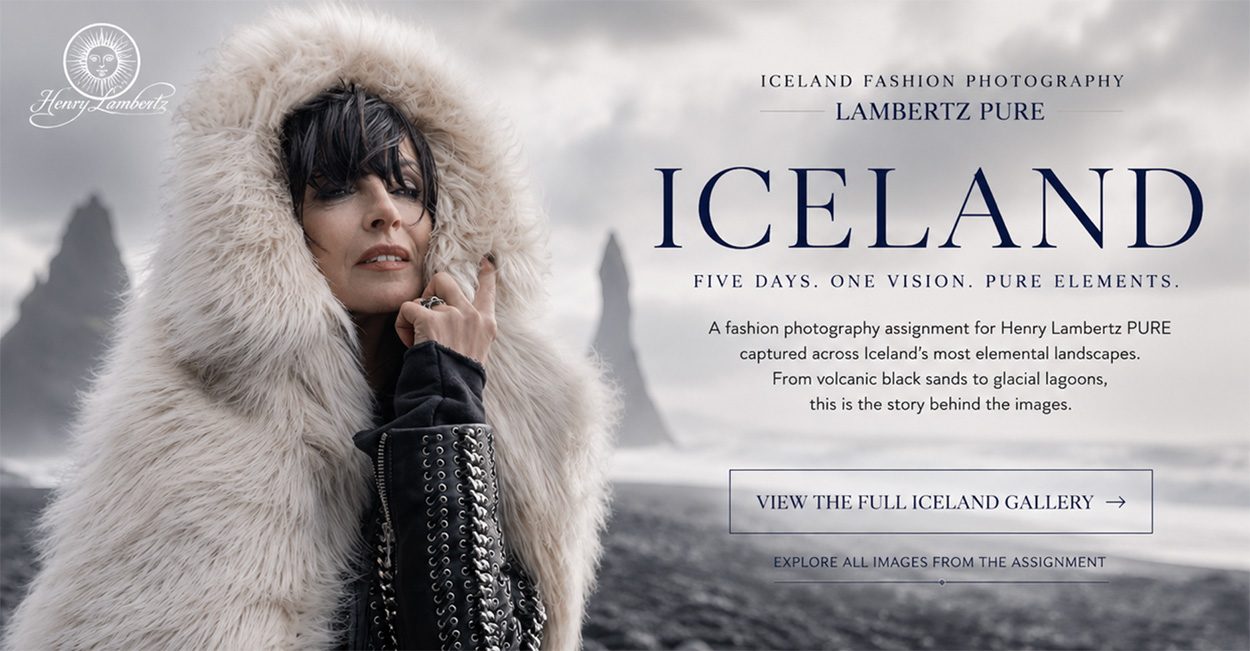
Iceland Fashion Photography — Lambertz PURE
Five days before the main crew landed in Iceland, I was already travelling across the country with the client, looking for places that might eventually become photographs.
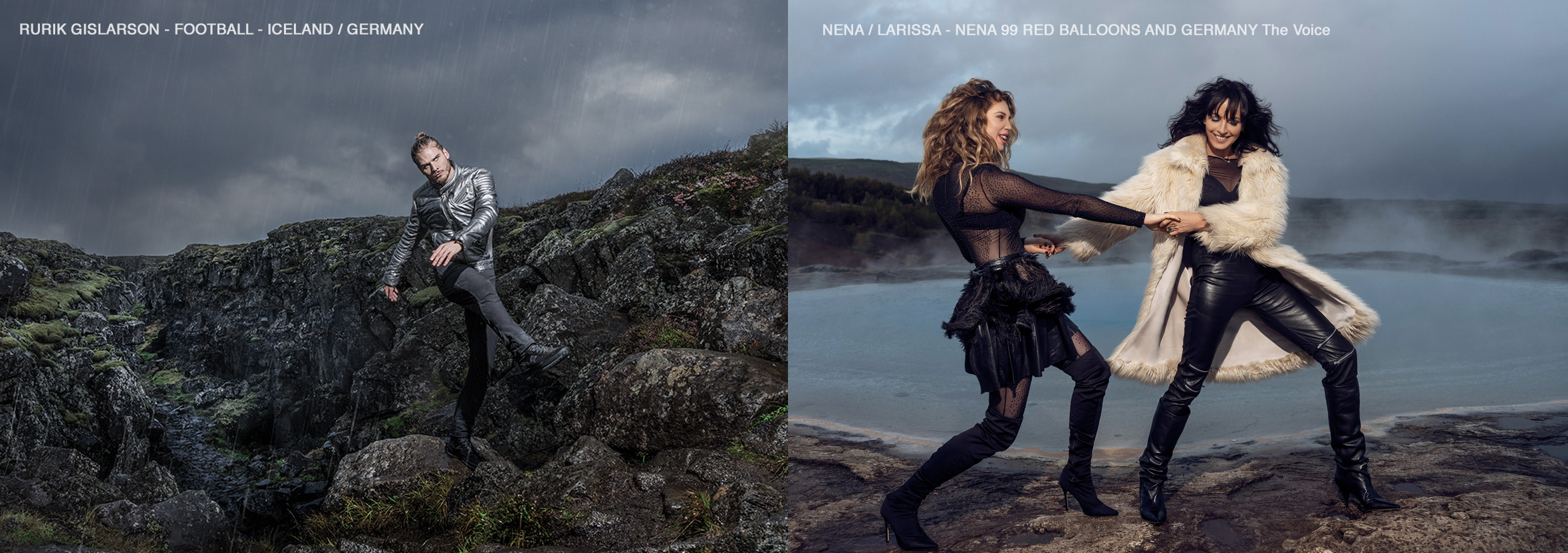
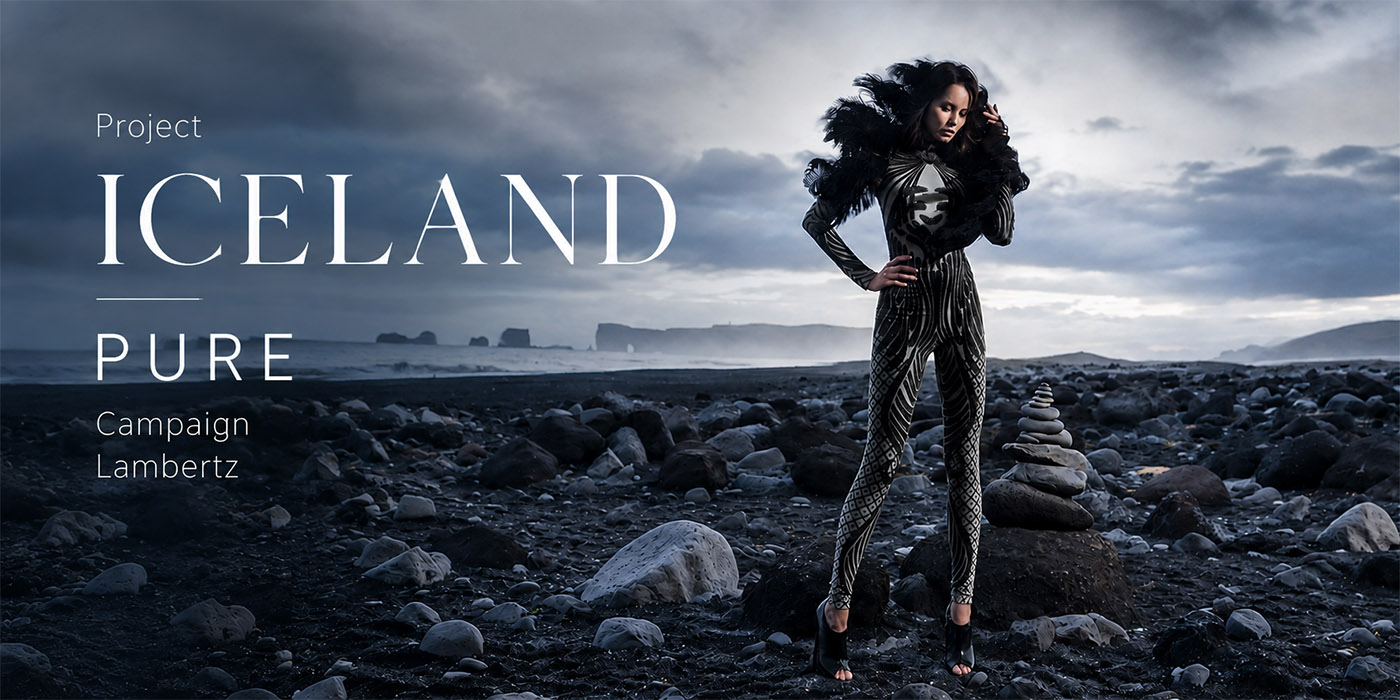
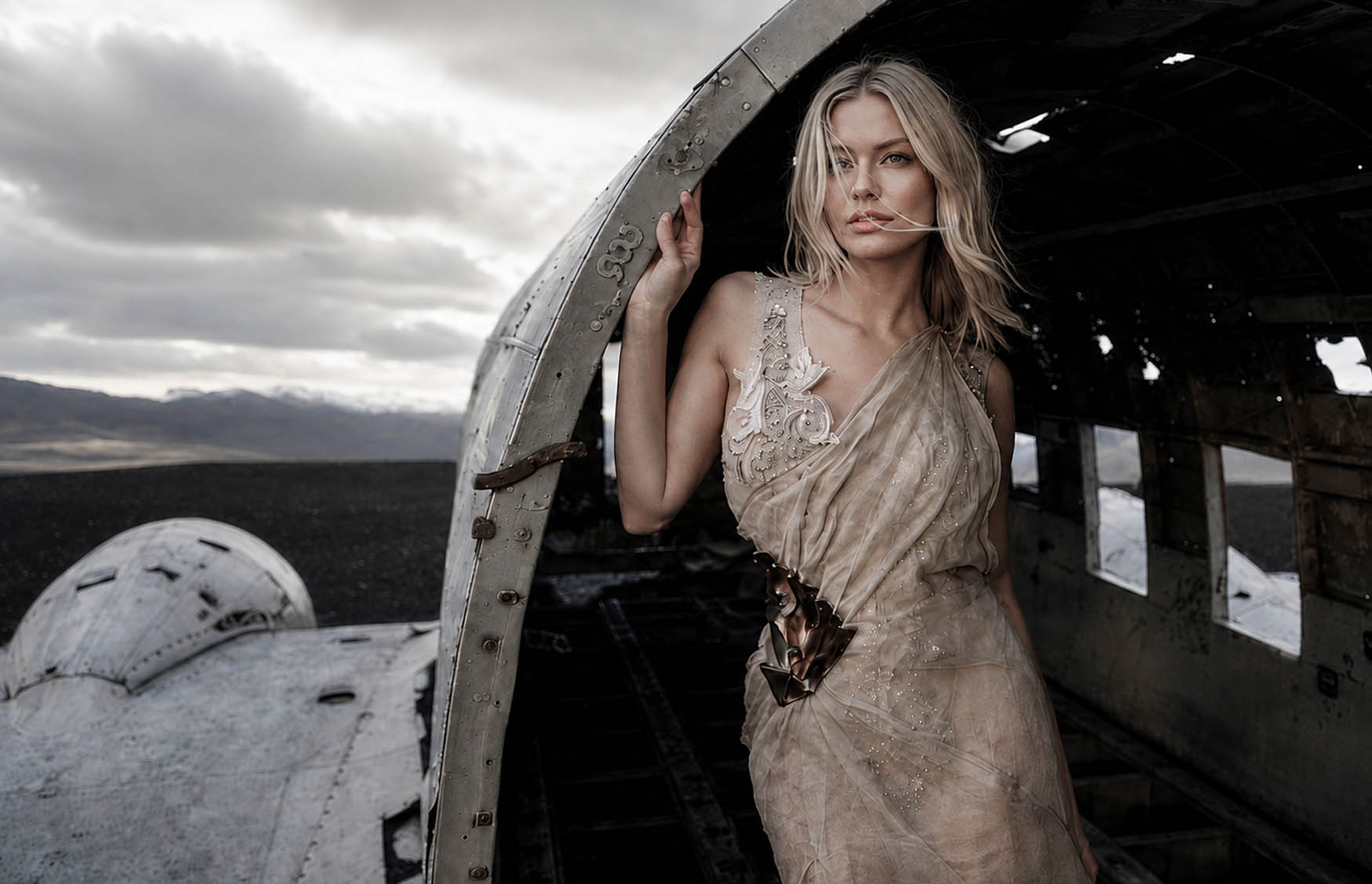
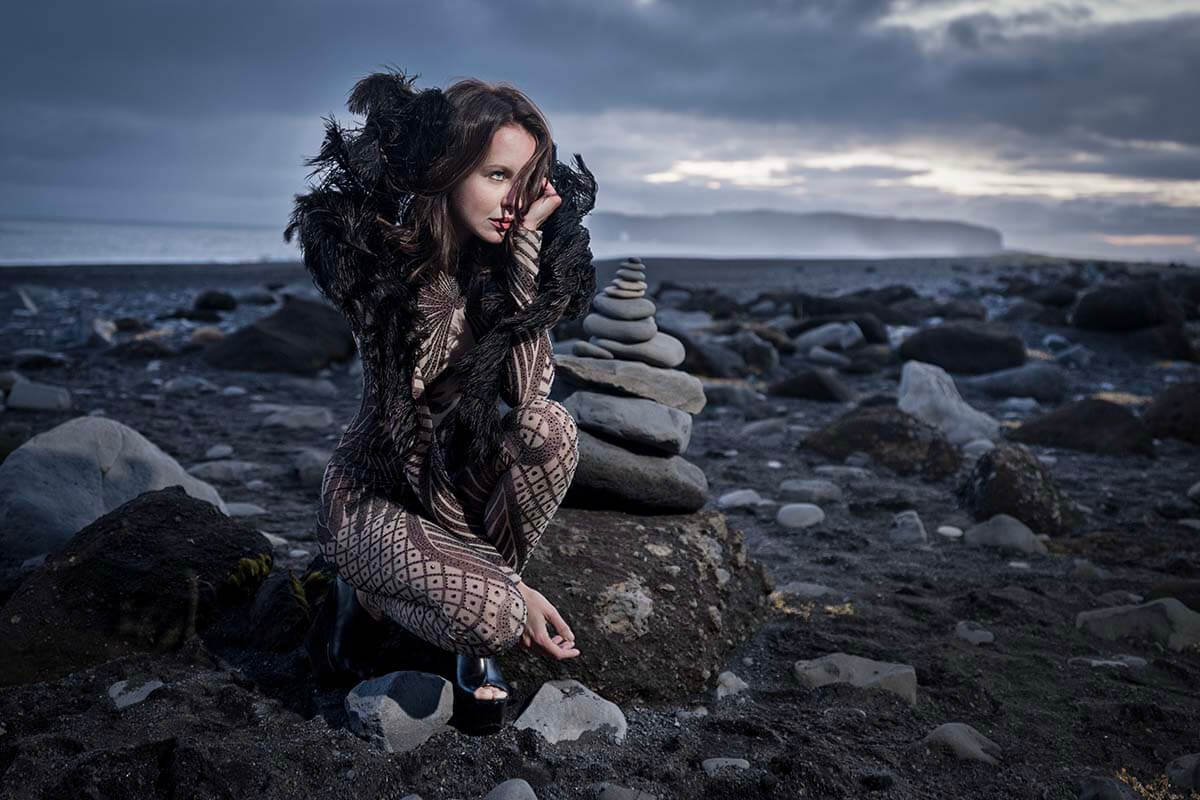
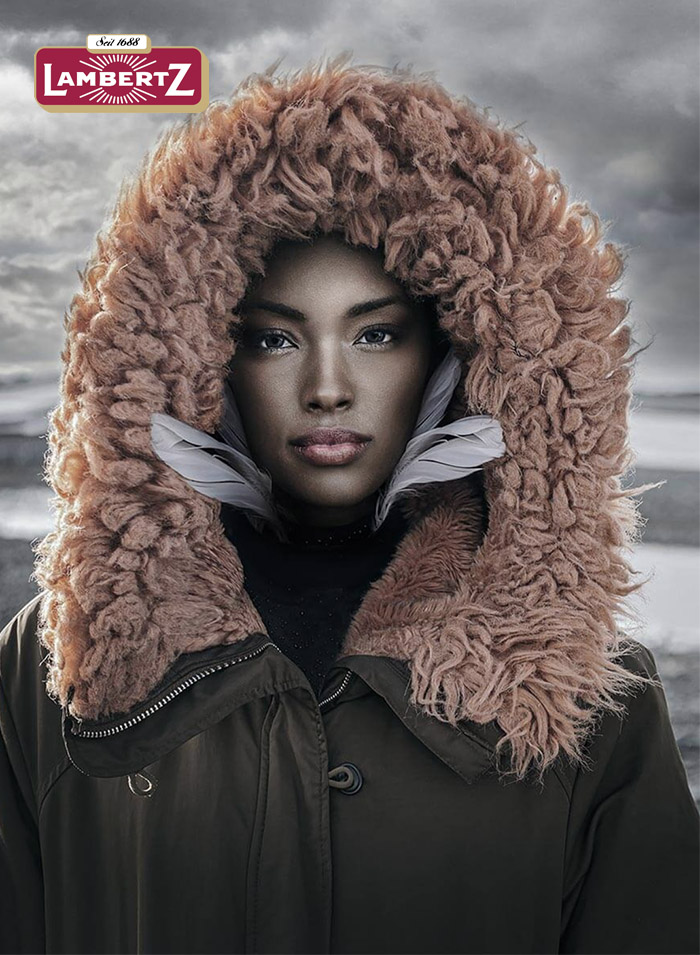
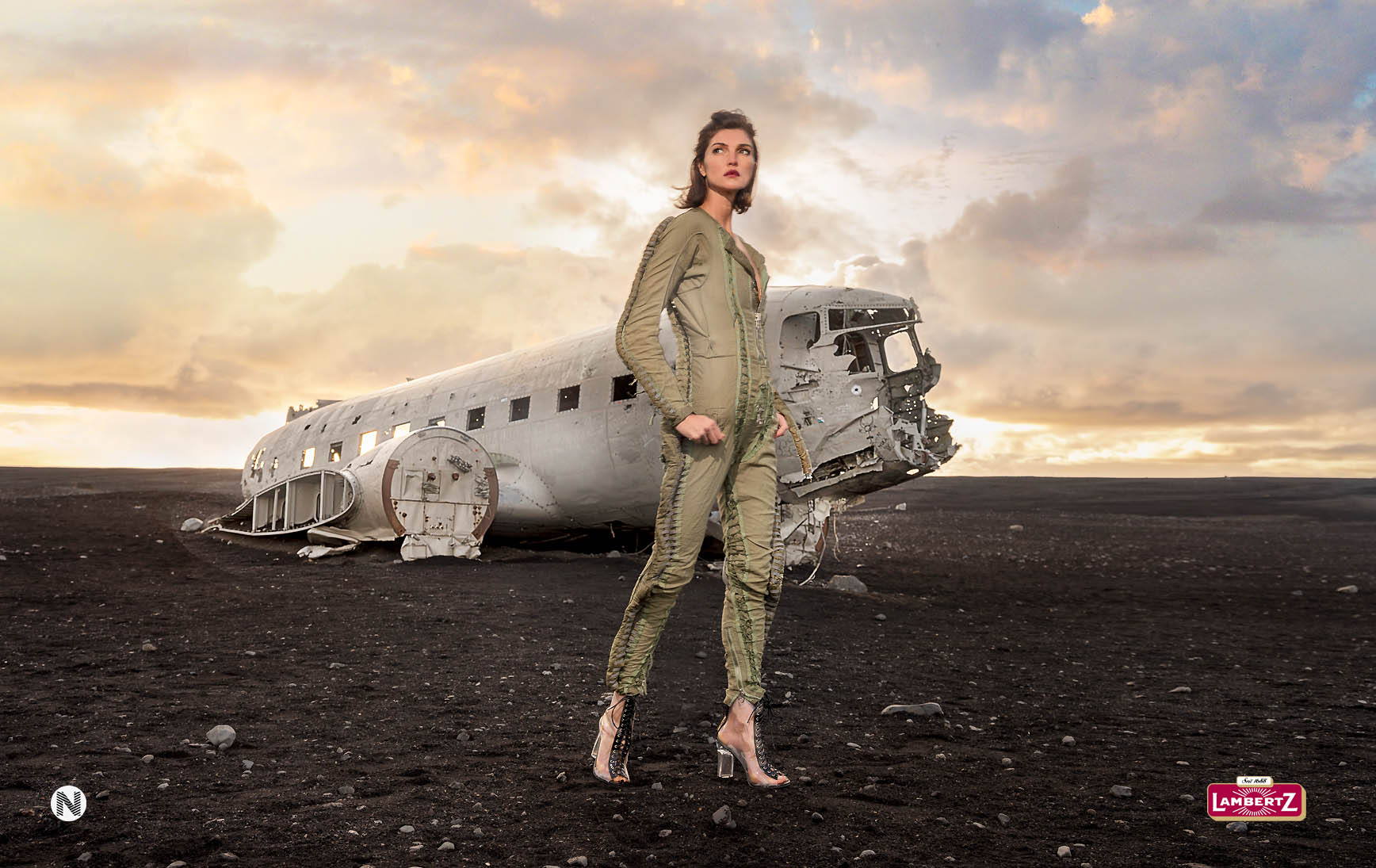
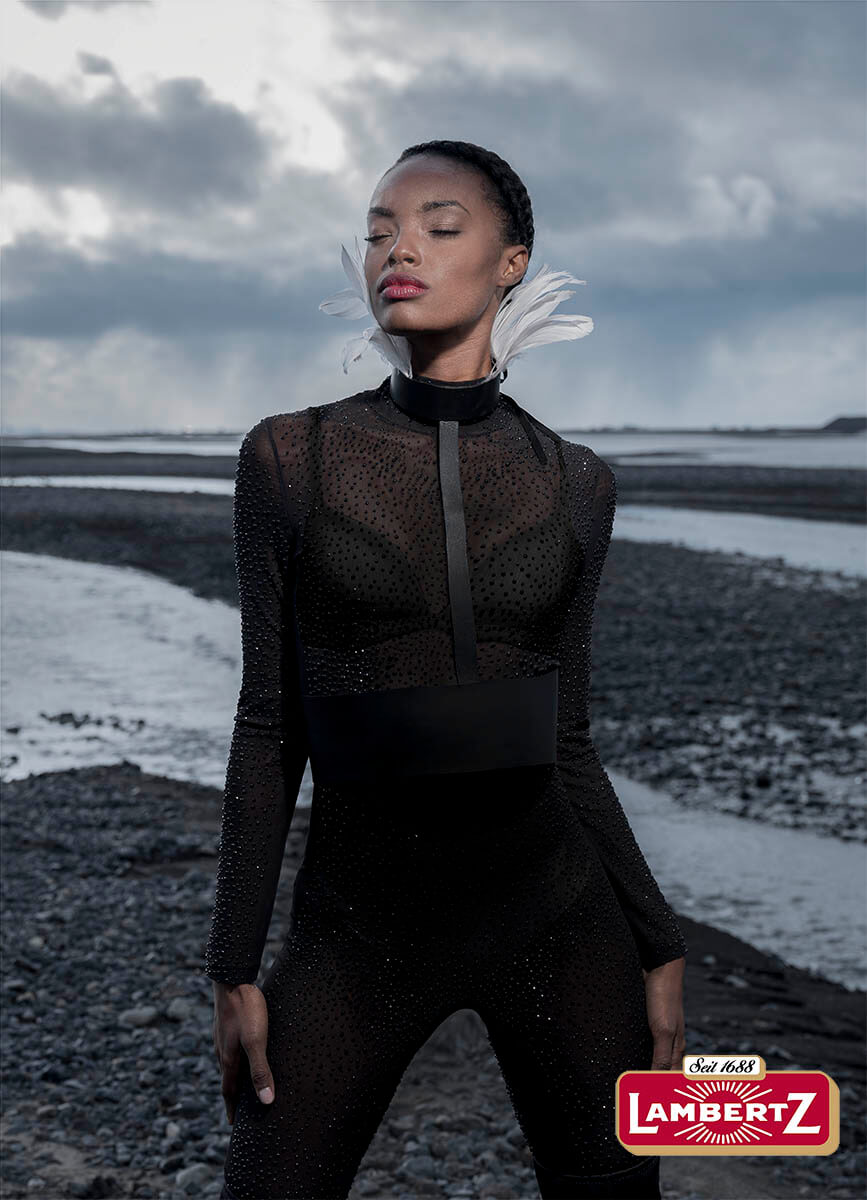
This Iceland fashion photography assignment was commissioned by Lambertz, Germany, for its PURE Environment Calendar — a 24-page international publication combining fashion, landscape and the idea of environmental purity.
As photographer and creative director, my responsibility was to translate that concept into twelve final images created entirely on location.
What followed was a 21-day location fashion photography production in Iceland involving eight models, a fourteen-person crew, constantly changing weather and a route through some of the country's most dramatic landscapes.
Looking for Photographs, Not Locations
Iceland is full of extraordinary places, but an extraordinary place does not automatically produce an extraordinary photograph.
During a five-day scout with the client, I was looking beyond impressive scenery. The question was whether the fashion, subject, light and environment could become one coherent image.
Where would the model sit within the frame? How would the landscape influence the composition? Could we safely bring models, assistants, styling, hair, make-up, cameras and lighting equipment into the location?
And what would happen if Iceland's weather completely changed before we returned?
For a commercial fashion photographer, location scouting is not simply about finding somewhere visually impressive. It is about recognising whether the creative idea can actually be resolved photographically.
By the end of the recce, we had developed a working route through Iceland and identified a series of locations capable of supporting very different forms of location fashion photography.
Then the main production arrived.
Fourteen People, Eight Models and Twenty-One Days
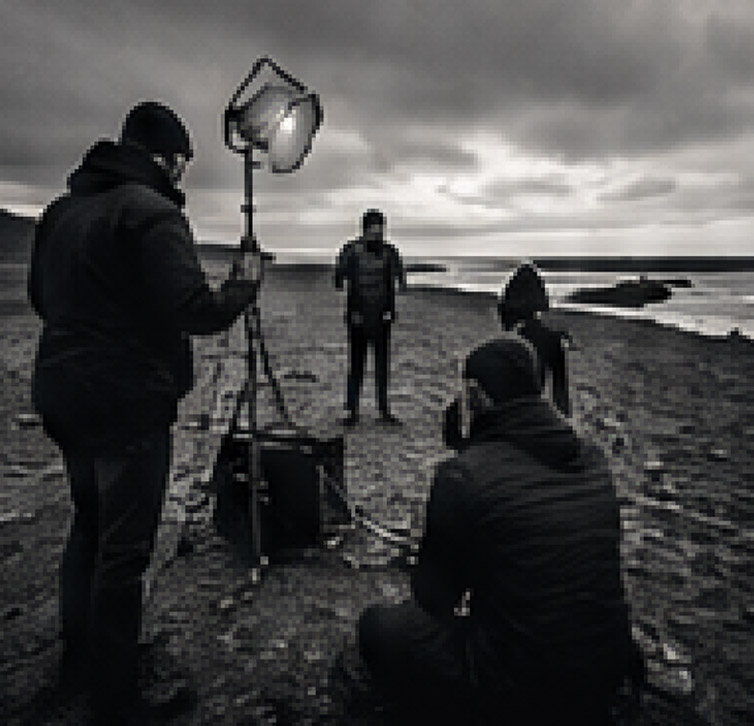
When the full crew arrived, the scale of the production changed immediately.
The team included photography assistants, video and behind-the-scenes crew, hair and make-up, styling, drivers and production logistics, together with eight models.
For the next twenty-one days, the production became a moving unit travelling between locations across Iceland.
There was no fixed studio and very little that could be completely controlled.
Each morning effectively began with the same question:
What is Iceland giving us today?
The answer was frequently determined by the weather.
This was not simply an Iceland location shoot. It was a full fashion photography production that had to remain creatively consistent while moving continuously through a changing environment.
When the Weather Becomes Part of the Photograph
The conditions were constantly changing and sometimes restrictive.
A location that had appeared completely workable during the recce could feel very different when we returned with models, crew and equipment.
Wind affected clothing and hair. Rain changed how long we could realistically remain outside. Temperature affected the models. Changing cloud altered the visual balance of the landscape within minutes.
Sometimes the weather forced us to rethink the photograph altogether.
There is a temptation during a commercial photography campaign to fight those changes because a schedule exists and a picture has already been planned.
But forcing a location rarely produces the strongest image.
Instead, I allowed the conditions to influence the photograph.
If the sky became heavier, the image could become more dramatic. If the light softened, composition had to work harder. If the landscape became visually dominant, I could allow the model to become smaller within the frame.
The environment stopped functioning as scenery.
It became part of the visual language of the assignment.
Making the Fashion Belong to the Landscape
One of the biggest creative challenges was avoiding the obvious photograph.
It would have been easy to place a model in front of a spectacular Icelandic landscape and allow the scenery to do all the work.
I didn't want that.
The fashion, model, light and landscape needed to feel connected.
Sometimes that meant bringing the model forward and giving the figure more authority. At other locations, I deliberately reduced the scale of the subject so that Iceland itself became more dominant.
This approach became central to the commercial fashion photography for Lambertz PURE.
Composition was not simply about placing a model against an attractive background. Where the figure sat inside the landscape changed the psychological character of the image.
A slight shift could make the subject feel powerful, isolated, vulnerable or completely integrated into the environment.
Using Flash for Drama, Not Simply Illumination
Much of the photography worked with Iceland's existing natural light, but I also used flash throughout the assignment.
The purpose was rarely simply to make the model brighter.
It was about creating drama.
In a landscape as visually powerful as Iceland, a subject can disappear remarkably quickly.
Flash allowed me to create separation, presence and atmosphere, particularly when the sky or landscape became visually heavy.
But the lighting still had to belong to the location.
Too much artificial light and the fashion could become disconnected from the environment. Too little and the model could disappear into it.
The lighting therefore changed with each location.
I was never trying to impose one lighting formula onto the entire fashion advertising assignment.
The location had to come first.
Keeping the Camera Side Simple
Despite the scale of the production, the photographic equipment itself remained relatively straightforward.
I worked principally with two cameras and two lens combinations, supported by the lighting equipment required for the different locations.
That simplicity was intentional.
On an international fashion photography production, equipment has to support the process rather than become another logistical problem.
I wanted the technical side to remain simple enough that I could concentrate on the decisions that actually created the picture.
Where is the subject?
How much of the landscape belongs in the frame?
What can be removed?
When is the photograph resolved?
Those questions were more important than carrying unnecessary equipment.
The Part of Location Photography Nobody Sees
The finished photographs make a large-scale location production look effortless.
It wasn't.
Moving fourteen people across Iceland for three weeks created logistical challenges that were every bit as demanding as the photography.
We travelled with camper vans, but accommodation for a group of that size was often difficult to secure.
Many locations were already heavily booked.
On one night, we arrived to discover that there were only two rooms available for the entire crew.
Those moments are never visible in the finished fashion advertising photography.
Neither are the long days, changing schedules, weather delays or the pressure that naturally develops when a large team lives and works together intensively.
Part of directing a commercial location production is maintaining momentum when people are tired, conditions are difficult and the original plan no longer fits the reality in front of you.
The creative objective still has to remain clear.
The photograph still has to be made.
Eight People in Front of the Camera
Working with eight different models meant the photographic approach could never be identical from one person to another.
Every subject responds differently.
Some require very little direction. Others require considerably more.
Some produce their strongest photographs while confidently performing for the camera. Others become more interesting when they stop consciously trying to perform at all.
Across twenty-one days of location fashion photography, those differences become increasingly apparent.
You begin to recognise when to push somebody and when to leave them alone.
You begin to see when direction is improving the photograph and when it is beginning to interfere with what the subject is naturally giving you.
Those decisions can have more influence on the finished image than another lens change or another lighting adjustment.
Twelve Photographs, One Visual Language
The final Lambertz PURE calendar required twelve principal images across twenty-four pages.
Each photograph had to work individually, but the complete series also needed to feel visually coherent.
Different models. Different Icelandic landscapes. Different weather. Different lighting conditions.
Yet one visual language.
That became the final challenge of the assignment.
The objective was not simply to return from Iceland with twelve strong photographs.
It was to create a complete piece of commercial fashion photography in which every image felt as though it belonged to the same idea.
At the end of the twenty-one-day production, the completed calendar was presented at the wrap event and subsequently distributed internationally.
Looking at the photographs now, what interests me most is how little of the production remains visible.
You see the model.
You see Iceland.
You see the light.
What you don't see are the five days of scouting, the fourteen-person crew, the vehicles, weather changes, accommodation problems, equipment or the constant decisions taking place outside the frame.
And perhaps that is how it should be.
“The complexity belongs to the production.
The photograph should feel inevitable.”
James Nader
For this Lambertz fashion photography assignment, Iceland was never simply the location.
It became one of the subjects.