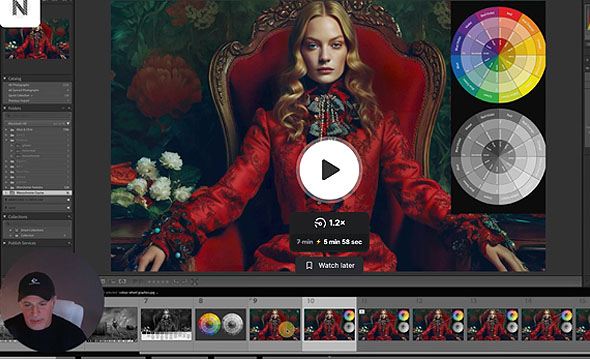
See the Photograph Before the Edit
Understand the decisions behind subject, light, shape and tonal structure before conversion.

Learn black and white photography through a modern monochrome system built on traditional photographic understanding — film, chemistry, darkroom printing, light, tone and the final image.


I came to black and white through film, traditional chemistry and the darkroom. Different film stocks responded differently to light. Development changed density and contrast.
I printed on traditional photographic papers, including Agfa papers and fibre-based materials, where exposure, development, contrast, dodging and burning changed the final print.
Those years taught me something I still believe today: monochrome is not an effect added at the end. It begins with the photograph itself.
“The tools changed.
The principles did not.”
Understanding how light becomes density and tone teaches you to anticipate the photograph.
Contrast, exposure, development, dodging and burning teach you to shape rather than simply process.
The final print teaches you which decisions really survive beyond the screen.
The James Nader Monochrome System brings traditional photographic thinking into a modern digital workflow. It is designed to help you understand why a black and white photograph works — before relying on software, presets or conversion techniques.

Before Lightroom. Before presets. Before conversion. The photograph either contains the visual structure to survive black and white — or it does not.
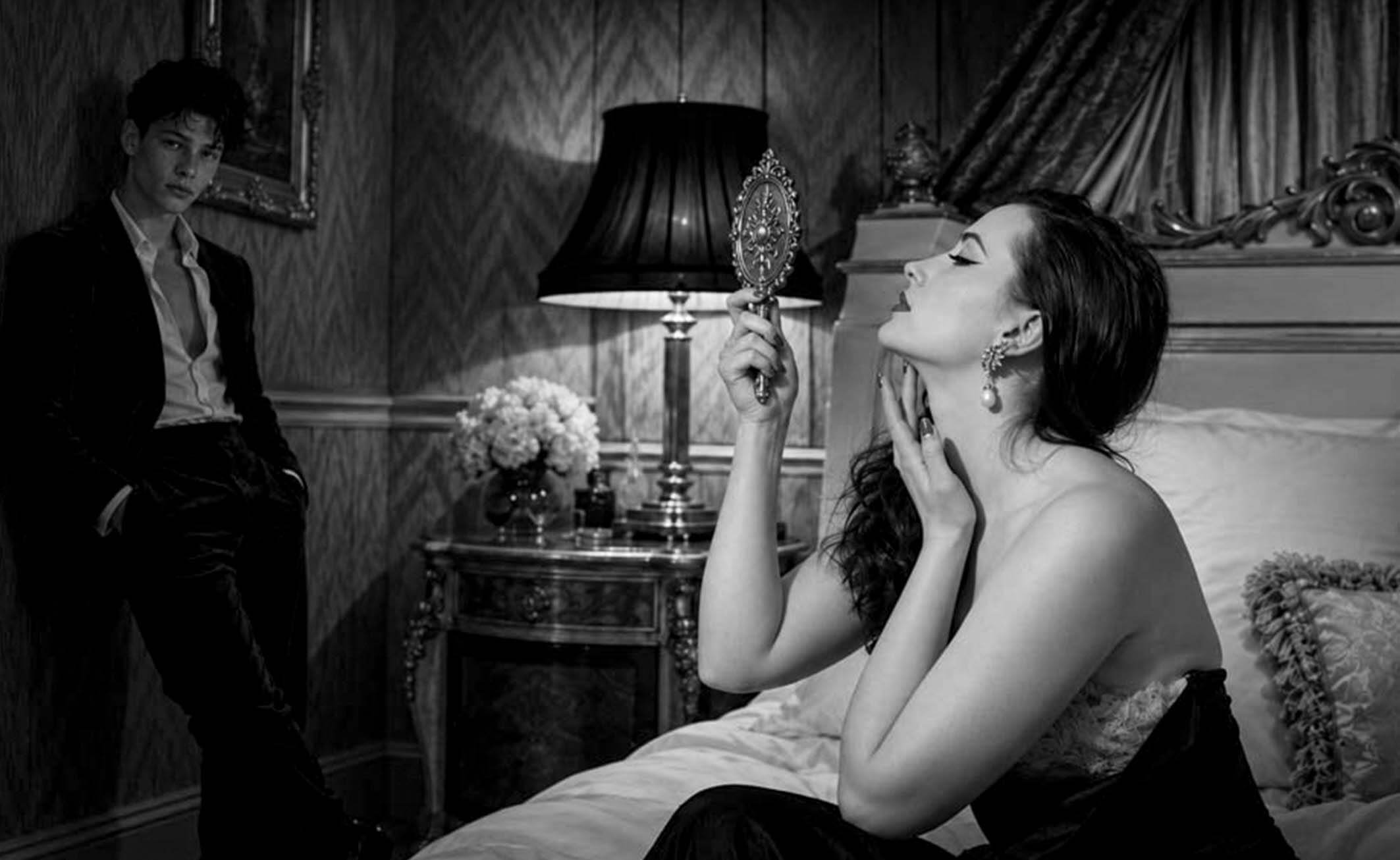
Colour can hide structural weakness. Once it disappears, expression, shape, light, texture and tonal relationships have to do the work.
That is why I do not begin monochrome with a conversion. I begin with the picture.
Learn to recognise highlight, midtone, shadow and separation before the image becomes black and white.




Work through The James Nader Monochrome System online, at your own pace and in your own time.
Understand the decisions behind subject, light, shape and tonal structure before conversion.
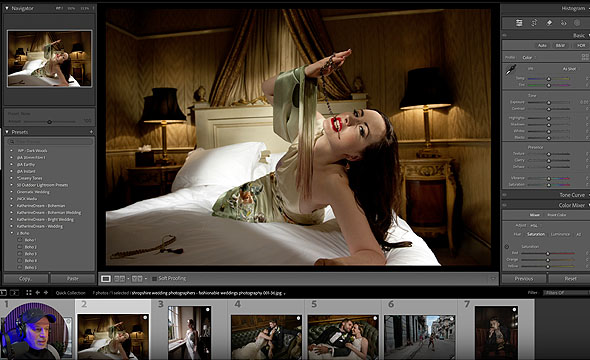
Translate traditional Zone System thinking into a modern digital workflow.
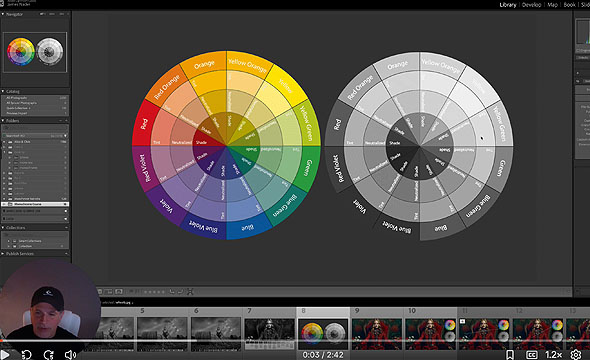
Control contrast and tonal placement to add hierarchy and visual authority.
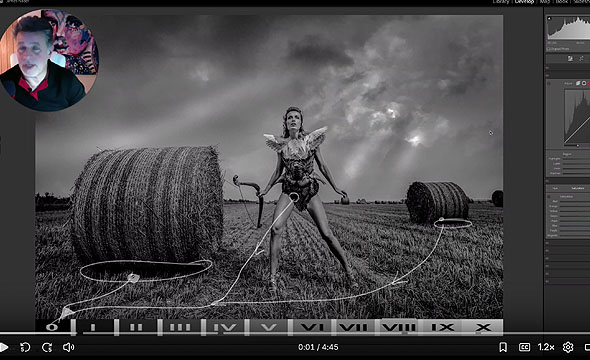
Learn how colour relationships influence monochrome tonal separation.
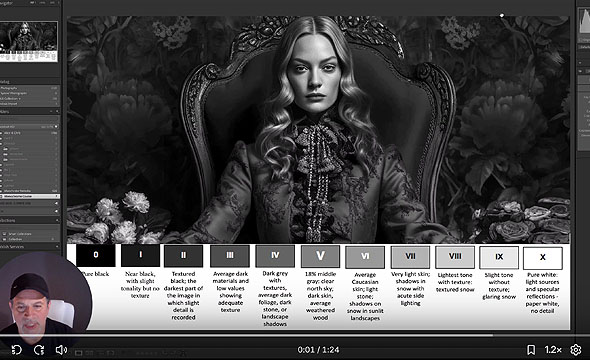
Work from RAW development through masking, local control and finishing.
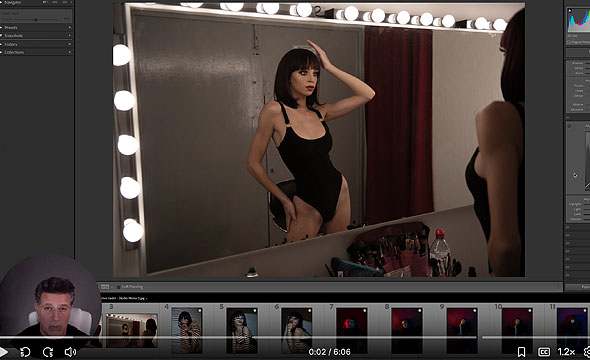
Stop moving sliders by feel and understand the purpose behind each decision.
Develop the judgement to recognise what makes a photograph work without colour and then control every stage from capture to final image.
Build monochrome work with the tonal control and finish needed for professional portrait, fashion, editorial and commercial portfolios.
Learn monochrome from the photograph outwards — not from the preset backwards.
A collection of black and white film-stock emulations created to reproduce the character of classic monochrome photography — not simply remove colour.
From richer contrast and deeper shadow response to softer tonal transitions and fine-grain rendering, each preset gives you a different interpretation of the same photograph.

My black and white film-stock emulations are designed around tonal response, contrast, density, highlight behaviour, shadow depth and perceived grain.
Rather than applying the same monochrome treatment to every photograph, the collection gives you different starting points inspired by the character of traditional film stocks.
The presets are included with The James Nader Monochrome System. If you already understand monochrome workflow and simply want the film-stock looks, the preset collection is also available separately.
Choose the complete Monochrome System if you want the photographic thinking, tonal method, Lightroom workflow and presets together.
If you already understand black and white processing and simply want my curated monochrome film emulations, you can buy the preset collection separately.



The James Nader Monochrome System is a self-paced online black and white photography course for photographers who want stronger visual judgement, better tonal control and a repeatable workflow.
Adobe Lightroom is part of the process, but the learning begins before post-production.
Recognise light and tone before you shoot.
Apply traditional tonal thinking to digital photography.
Build a repeatable workflow rather than moving sliders by feel.
Understand how colours translate into monochrome tones.
Shape attention using local tonal control.
Finish images with the authority expected in commissioned work.
Yes. The system is delivered online and designed to teach photographers how to see, shoot and process stronger black and white photographs.
Yes. You can work through the lessons in your own time and revisit them as your photography develops.
More than 30 structured video lessons, hours of tuition, transcripts, work-along material and a complete Lightroom monochrome workflow.
Yes. Lightroom is used for tonal control, colour-to-grey conversion, masking, dodging, burning and finishing.
Yes. Zone System principles are translated into a practical digital workflow.
Yes. The monochrome film-stock preset collection is included with The James Nader Monochrome System.
Yes. The preset collection is also available separately for photographers who already understand monochrome processing and simply want the film-stock looks.
No. The principles apply across portrait, fashion, editorial, landscape, street, fine-art and commercial photography.
If you are unsure whether The James Nader Monochrome System is right for your level or where you want to take your photography, ask me directly.
A direct course enquiry — no generic support desk.

Move beyond basic black-and-white conversion. Learn to recognise the photograph before the edit, control its tonal structure and finish monochrome work with professional judgement.
ENROL NOW — £247 →