
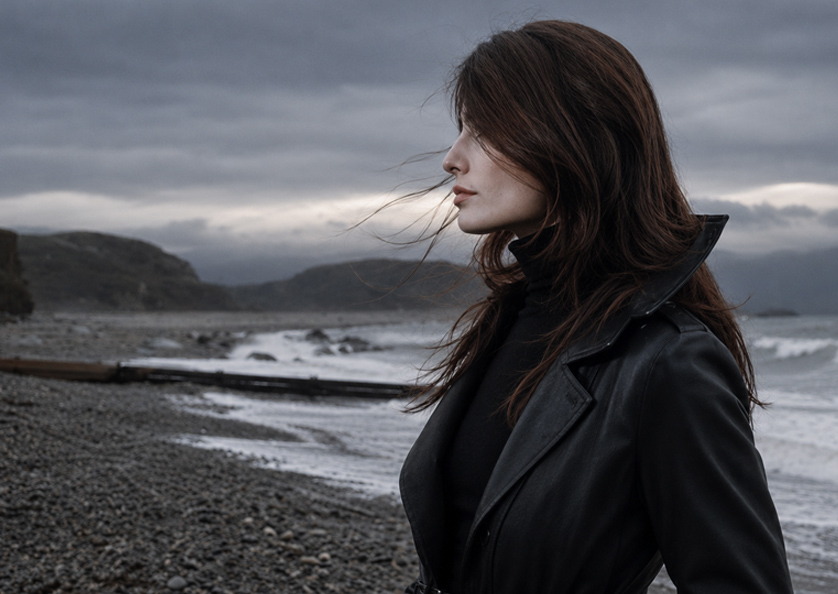
Fashion Photography on Location – Scouting in Wales
Finding the Picture Before the Shoot
A dramatic location does not automatically make a strong photograph. When you are learning photography, it is very easy to find somewhere impressive, put someone in front of it and assume that the location will somehow do the rest.
It rarely does.
The location has to work with the photograph you are trying to make. The light, horizon, background, space around the subject, weather and even the tone of the landscape can all influence whether the final picture works or falls apart.
That is why I scout locations.
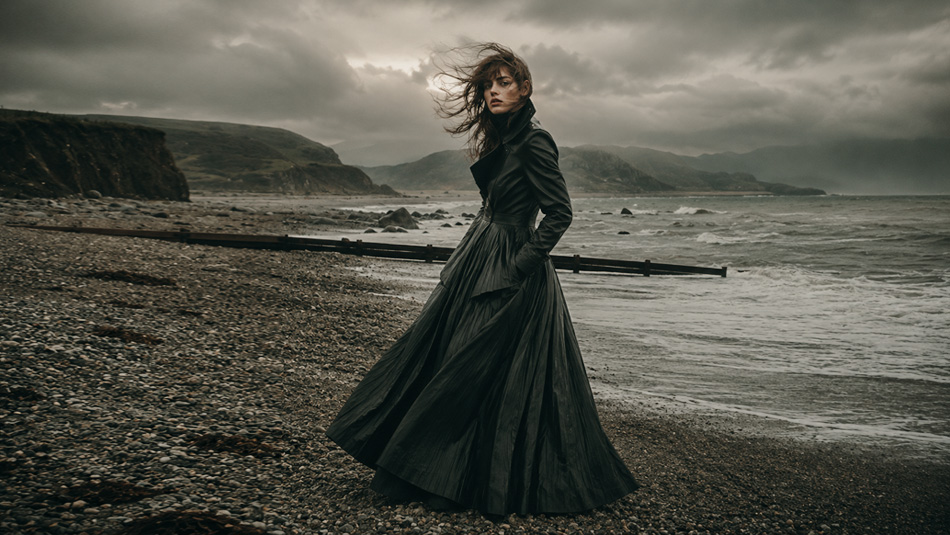
In this Field Note I want to show you what I am actually looking for when I arrive somewhere new, so that you can begin to move from simply finding attractive places to recognising locations that actively help you make stronger photographs.
By the end of this Field Note, you should be able to judge a location differently — not by how impressive it looks, but by what it can contribute to the photograph.
The picture came before the location
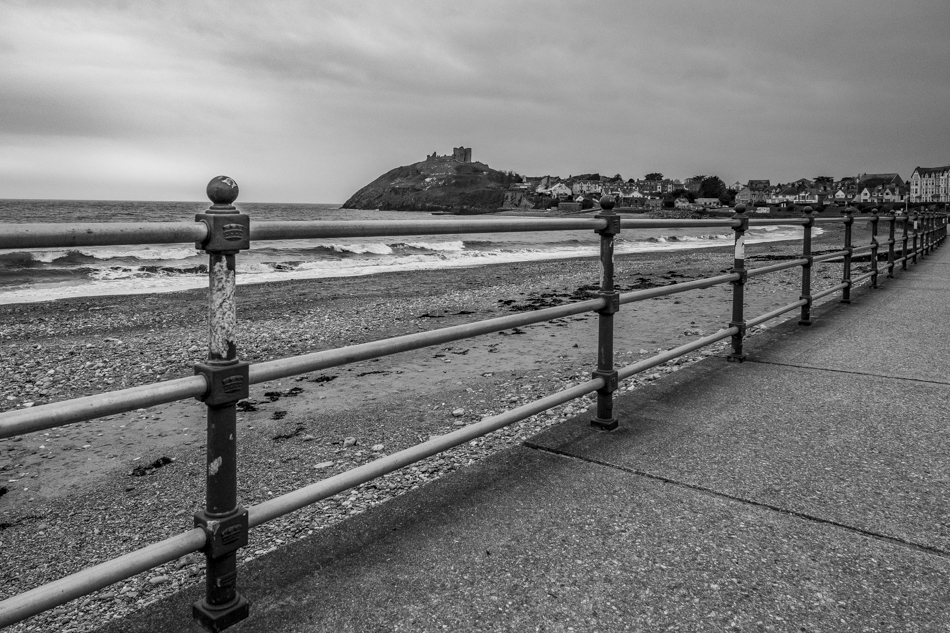
I filmed this location recce while travelling through Wales some years ago. I had not gone out simply to photograph the landscape. I already had an idea of the type of editorial image I wanted to create.
The picture in my head was not bright, sunny or conventionally beautiful.
I wanted something heavier.
Open landscape. Muted tones. Darker skies. Space around the subject. A feeling of isolation and enough scale for the landscape to become part of the photograph rather than simply sit behind the model.
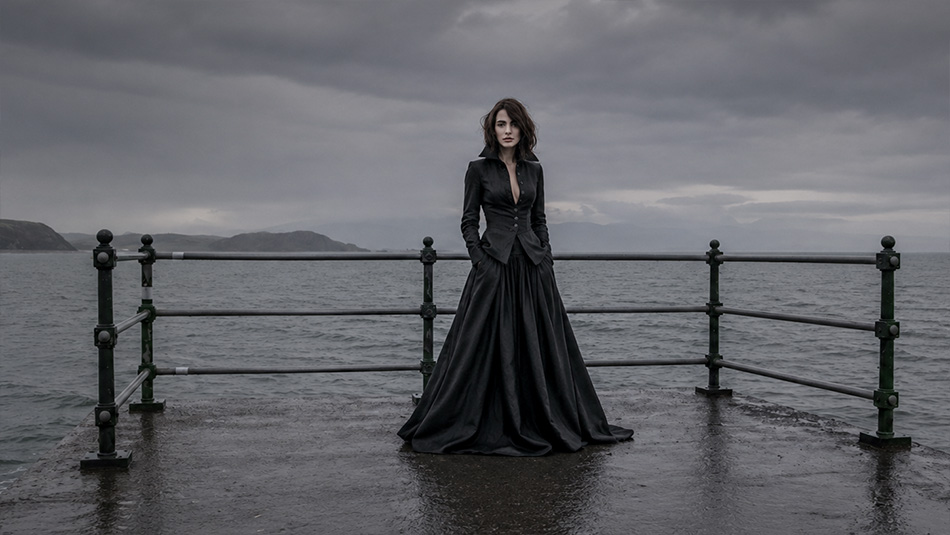
Wales gave me that possibility.
It offered exposed landscape, rock, water, hills, changing weather and large areas of sky. More importantly, it gave me environments that could feel raw without becoming visually complicated.
I was not looking for a location and then deciding what photograph to make. I was looking for a location capable of supporting a visual idea I already had.
Stop looking for beautiful locations
This is one of the most useful changes you can make when you begin photographing people on location.
A place can be spectacular when you are standing in it and still be completely wrong for the photograph.
There may be too much happening in the background. The horizon may cut awkwardly through the subject. There may be nowhere obvious to place the person. The landscape may dominate everything or the light may be coming from a direction that works against the face.
So instead of asking whether the location is beautiful, I start looking for the frame.
Where could the subject stand?
What happens if I move left or right?
How much sky should I include?
Will the model separate from the background?
Is there enough space for the photograph to breathe?
Those questions are far more useful than simply asking whether a location looks impressive.
Do not choose a location simply because it makes a good landscape photograph. A strong landscape and a strong portrait location are not necessarily the same thing.
The sky was part of the photograph
One of the things I was deliberately looking for in Wales was a heavy sky.
I did not want sunshine. In fact, sunshine could easily have weakened the mood I was trying to create.
I wanted cloud to have weight and presence. Large areas of changing grey could create atmosphere and scale without introducing unnecessary colour or visual noise.
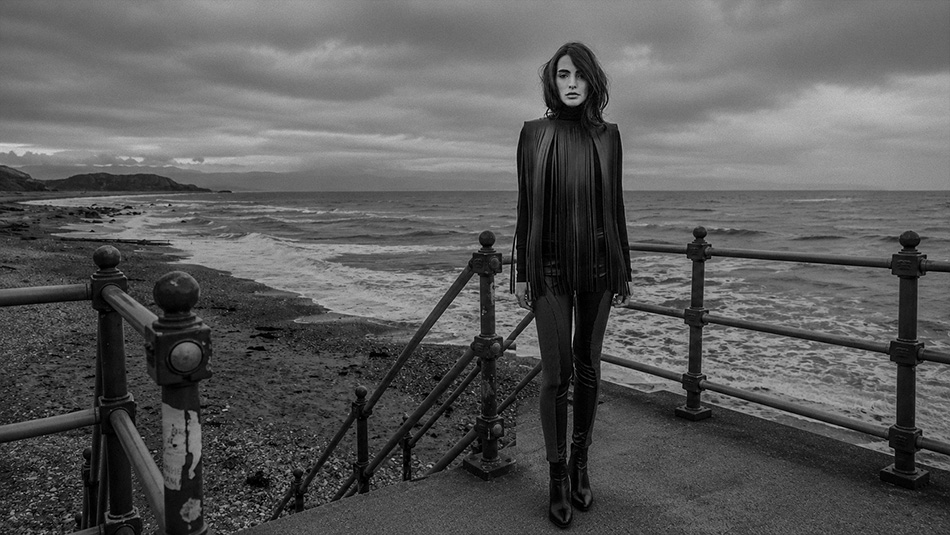
This becomes particularly important when I am thinking in monochrome. The relationship between sky, landscape and subject can become a question of tonal structure rather than colour.
A dark garment against an open grey sky creates one relationship. Pale clothing against darker hills creates another.
Neither is automatically right. The important thing is that I am already beginning to make those decisions before the model arrives.
This is also why I look carefully at natural light before thinking about adding anything of my own.
Where is it coming from? What is it doing to the landscape? Where will the face be lit? What happens if I turn the subject in another direction?
You cannot light what you have not seen.
Seeing the subject before they arrive
The model does not need to be standing in front of me for me to begin constructing the photograph.
During a recce I am already imagining where the person could exist within the landscape.
I am thinking about scale. Should the model dominate the frame or should the landscape dominate the model?
I am thinking about styling. How would a structured black outfit react against the sky? Would feathers introduce movement? Would something pale separate more effectively from the terrain?
I am thinking about whether the picture needs movement or stillness.
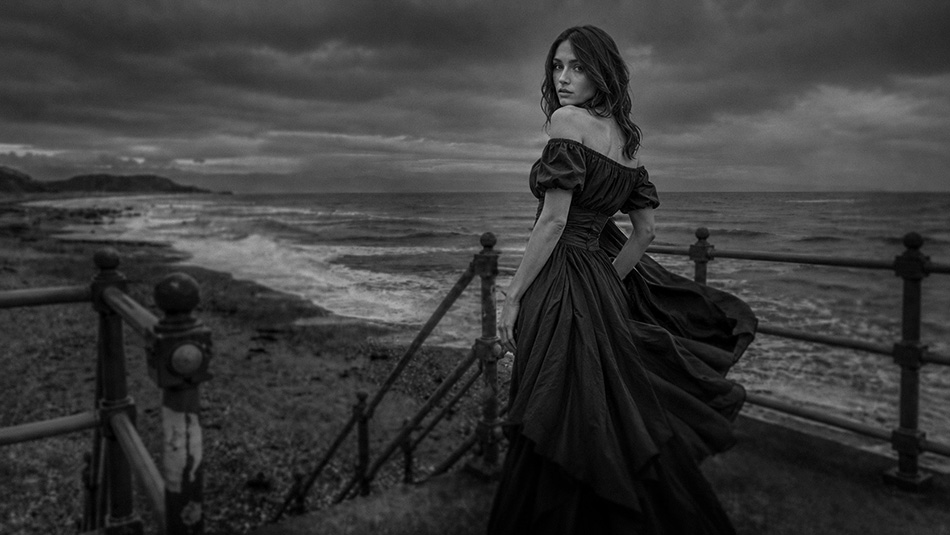
This is where location scouting becomes much more than finding somewhere to stand with a camera.
You are beginning to construct relationships between subject, clothing, light, landscape and composition.
Try to mentally place the subject into the location before the shoot. If you cannot begin to imagine where the person belongs in the frame, the location may not be as useful as it first appears.
Your recce photographs are notes
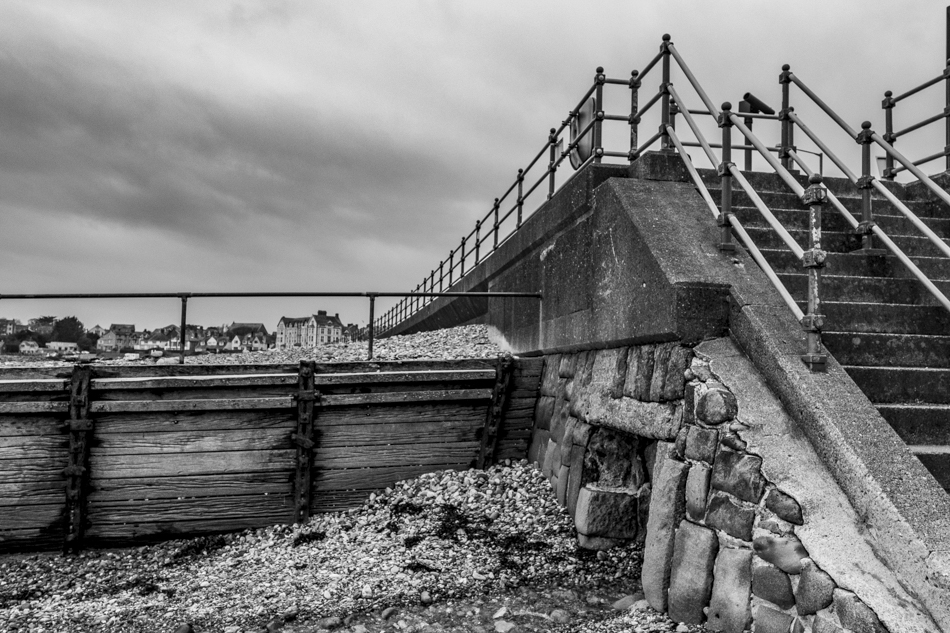
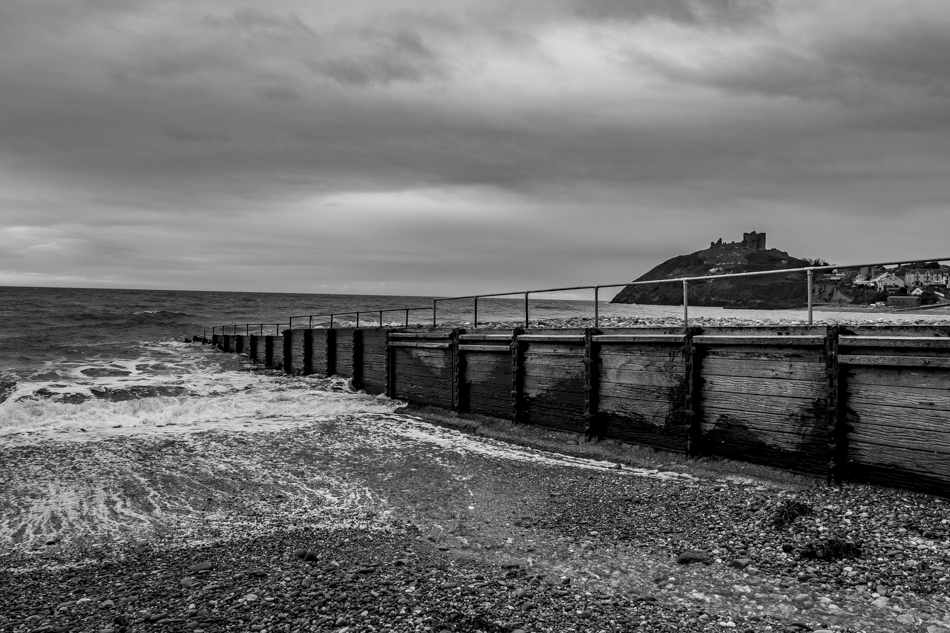
The photographs I make during a location recce are not intended to be finished pictures.
They are visual notes.
I use them to record possibilities and answer practical questions.
Does the frame work? What happens to the horizon? Can I get enough distance from the subject? Is the background too complicated? How much sky can I include? What happens if I shoot from lower down?
The photograph on the back of the camera does not have to be beautiful.
It has to tell me something useful.
When you scout, photograph wide views as well as the frame you think you might eventually use. Give yourself enough information to understand the location again when you review the images later.
Why Wales worked
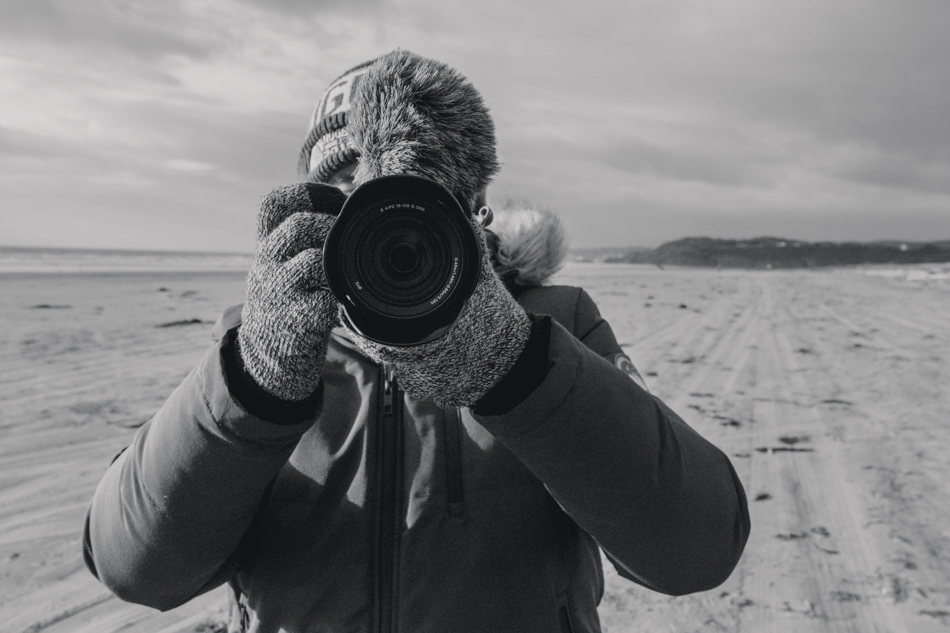
Wales gave me several things at once: scale, simplicity, texture and atmosphere.
There were landscapes large enough to create a sense of isolation, but quiet enough that the model would not disappear into visual clutter.
The weather could also change the character of a location surprisingly quickly.
Most importantly, I did not need the finished image to announce itself as Wales.
I am often more interested in what a place can become through a photograph than in what it is called on a map.
A relatively accessible UK location can sometimes create an image that feels remote, cinematic or almost impossible to place geographically.
The photograph creates its own world.
Looking at the footage again
I filmed this recce some years ago and never released the video.
Looking at it again now, one thing became immediately obvious.
The cameras have changed.
The process has not.
I am still looking for light, space, tone, structure and somewhere for the subject to exist within the frame.
I am still trying to recognise the potential photograph before the full production arrives.
The next time you scout a location, stop judging it by how impressive it looks. Look at the light, horizon, background and space. Imagine the subject. Move around. Find the frame. Decide what the location is actually contributing to the picture.
What should change after this?
If you begin working this way, location scouting stops being a hunt for attractive places and becomes part of the photographic decision-making process.
You arrive at the shoot with fewer unknowns.
You already understand the available light. You know where the strongest angles are. You have a sense of subject position, scale and composition.
Instead of arriving with a model and hoping that a photograph appears, you begin with an idea of where the photograph might already exist.
That is the real transformation.
A location recce is not about finding somewhere impressive. It is about learning to recognise the photograph before the shoot begins.
10 Ways to Become Better at Location Photography
The real value of a location recce comes when you begin applying what you have seen. These ten actions are designed to move you away from reacting to locations and towards making deliberate photographic decisions before the shutter is pressed.
Decide what you want the photograph to feel like
Before looking for a location, define the mood. Dark, quiet, energetic, isolated, polished or raw? A clear emotional direction makes it much easier to reject locations that do not support the idea.
Find the frame, not the view
Stop judging a location by how impressive it looks to your eyes. Move around until foreground, background, horizon and subject position begin to organise themselves into a photograph.
Read the available light first
Before adding flash or LED light, identify its natural direction, softness and contrast. You cannot make an intelligent lighting decision until you understand what already exists.
Mentally place the subject
Imagine a person in the frame even when nobody is there. Decide their scale, position, direction and relationship with the background before the shoot begins.
Separate the subject from the background
Look for tonal, spatial or structural separation. If the subject disappears into the environment, change position, change styling or reconsider the location.
Use the weather deliberately
Stop thinking only in terms of good and bad weather. Cloud, mist, wind and flat light can become creative ingredients when they support the visual idea.
Photograph information, not trophies
Recce photographs are working notes. Record wide views, alternative camera positions, light direction, access and potential subject positions rather than trying to make every frame portfolio-worthy.
Remove what does not help
Look carefully at every element around the subject. Signs, branches, bright objects, awkward horizons and unnecessary detail can weaken an otherwise strong composition.
Make decisions before production arrives
Use the recce to reduce uncertainty. Decide likely angles, lighting positions and subject areas before the model, stylist or client reaches the location.
Learn to recognise the photograph
Do not wait for the shutter press to decide whether something works. Train yourself to recognise relationships between light, tone, composition and subject before raising the camera.
Photography becomes more deliberate when you stop asking what you can photograph and begin asking what decisions need to be made before the photograph exists.
10 Questions About Scouting Photography Locations
Location scouting is the process of visiting and evaluating a potential photography location before the main shoot. It allows you to assess light, composition, background, access, weather, subject position and whether the environment supports the photograph you want to create.
A recce removes uncertainty. Instead of trying to solve composition, light and background while also directing a subject, you can make many of those decisions beforehand. This gives you more attention to spend on the person and the photograph during the shoot.
Look at light direction, background simplicity, subject separation, horizon position, available space, useful camera angles and the overall mood of the environment. The important question is not whether the place is attractive, but whether it supports the image you want to make.
Imagine the subject in the frame before they arrive. Check whether there is somewhere visually clear for them to stand, whether their face can be lit effectively and whether the background contributes to rather than competes with the portrait.
No. A visually spectacular location can make a poor portrait if it overwhelms the subject or creates a complicated composition. A quieter location with strong light, structure and tonal separation can often produce a stronger photograph.
There is no single best weather condition. The right weather depends on the mood of the photograph. Overcast skies can provide soft light and atmosphere, while strong sunlight can create greater contrast and harder shadows. Choose weather that supports your visual intention.
Cloud acts as a large natural diffuser and can create softer transitions between highlights and shadows. Heavy cloud can also add scale, texture and mood, particularly in monochrome or editorial location photography.
Photograph wide establishing views, possible compositions, subject positions, alternative angles and anything that affects production or lighting. These frames are reference material, so their purpose is to record useful information rather than become finished portfolio photographs.
The strongest results often come from considering them together. Clothing, colour, tone, movement and texture should relate to the environment. A location can therefore influence styling decisions long before the model arrives.
Scouting trains observation and previsualisation. You begin to recognise light, composition, subject position and potential problems before pressing the shutter. Over time, photography becomes less reactive and more intentional.
No Comments