
Lemuria London — Luxury Fashion Campaign on King’s Road
Creative direction, fashion photography and post-production inside one of London’s most unusual campaign environments.
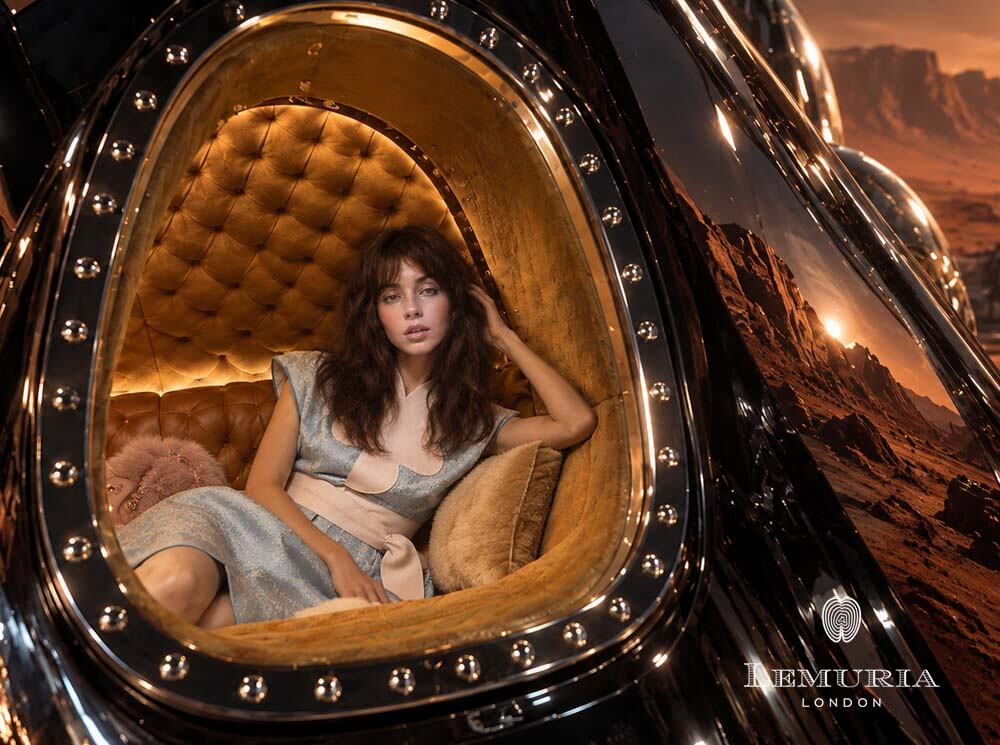
The location looked extraordinary. That did not make the photograph easy.
You may have arrived at a location that looked perfect in advance, only to discover that once the camera comes out it gives you far fewer possibilities than you expected.
I have. For this campaign for Lemuria London Ltd®, the setting was remarkable: an Apollo capsule inside Timothy Oulton on King’s Road, London.
The client needed campaign, launch and website imagery across clothing, bags and footwear, with a luxury, bespoke and deliberately otherworldly character.
Once shooting began, however, highly reflective surfaces, restricted working space and essentially one strong shooting direction meant the campaign had to be found, directed and constructed rather than simply recorded.
Your location may look completely different, but the underlying problem is familiar: what do you do when the possibilities in front of you are fewer than you expected?
Learn from the decisions.
Follow how a restricted environment became multiple campaign photographs through observation, lens choice, lighting, direction and post-production.
Explore Photography Systems & Learning →See how an idea becomes a campaign.
See how an emerging visual brief can be interpreted, directed, technically solved and developed into a coherent body of campaign-ready imagery.
Discuss a Fashion or Luxury Campaign →One strong photograph was never going to be enough.
You may know the feeling of making an image you personally love while knowing that the assignment still needs something else.
Lemuria needed photographs capable of working across launch, campaign and website use while presenting different clothing, bags and selected footwear.
Each image needed its own purpose, but together they had to feel unmistakably part of the same visual world.
The objective was therefore not simply to photograph a collection. It was to create a visual language the brand could use.
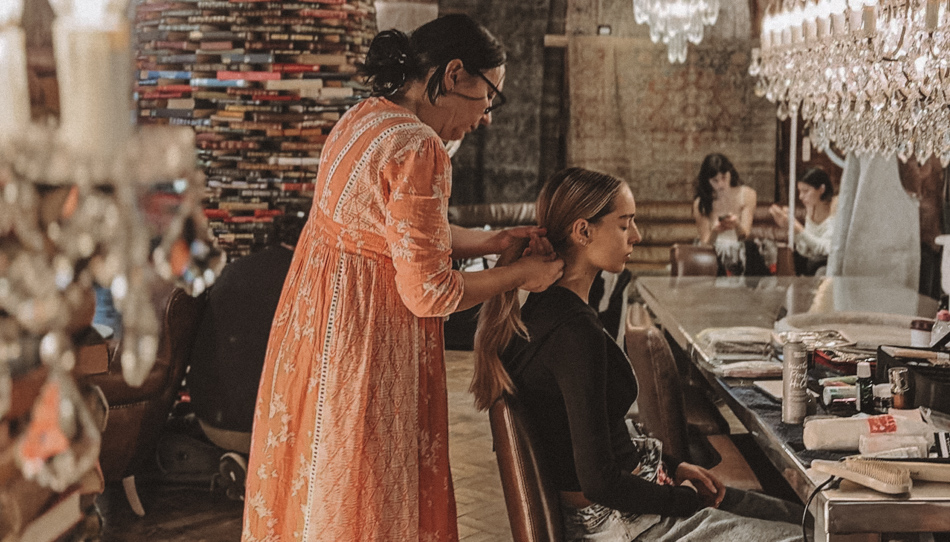
The client had the ambition. The photographs still had to be found.
You may have received a brief where everyone knows what the finished work should feel like, without yet knowing exactly what the photograph should be.
The client had secured access to the Apollo capsule because its rarity, polished surfaces and almost otherworldly character fitted his vision for Lemuria.
There was no predetermined sequence of photographs to reproduce. My role was to interpret that ambition and turn the physical space, clothes, products and model into a visual language.
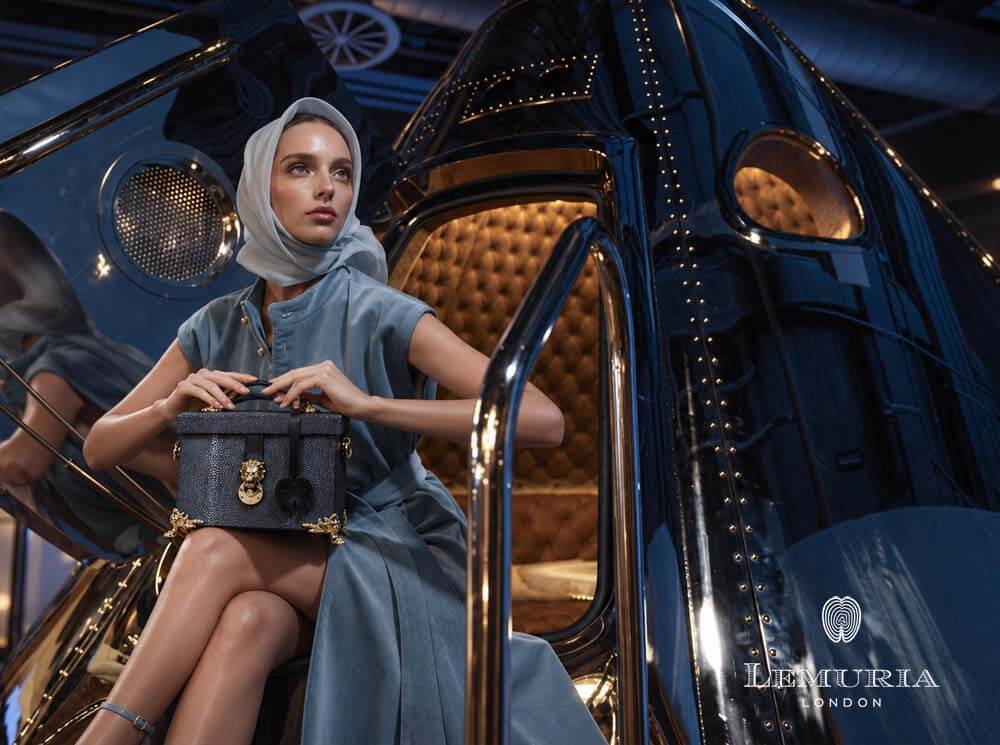
“The location supplied the spectacle. It did not supply the photograph.”James Nader
Then you realise the shoot is more complicated than expected.
You may know the moment. You stop looking at what the location promised and start looking at what it will actually allow.
The capsule was highly reflective. Space around it was restricted. I had essentially one principal direction from which to shoot and the lighting challenge was considerably greater than I had anticipated.
A larger production might have justified considerably more lighting and pre-lighting time.
But once you are standing on location, that becomes irrelevant. The useful question is: what can I solve with what I have now?
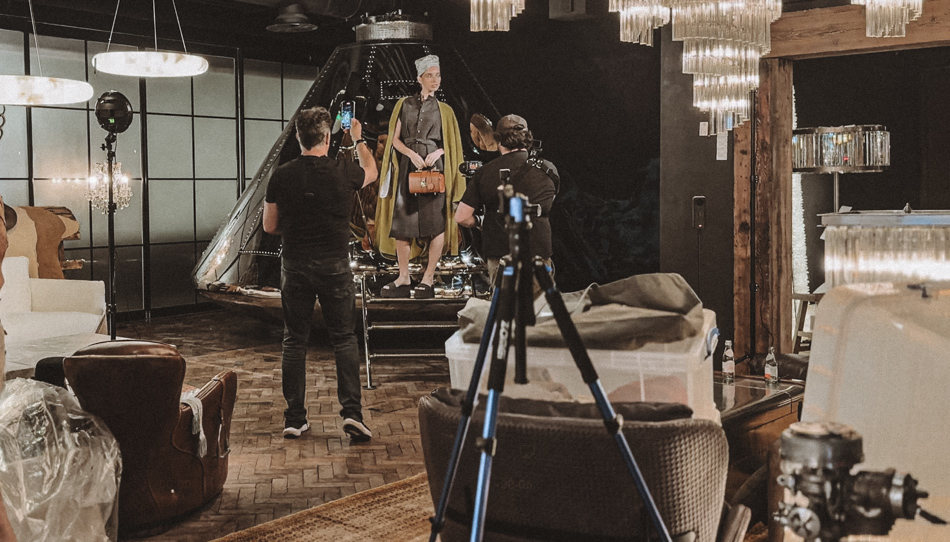
“Experience is not about never being caught out. It is knowing what to do when you are.”James Nader
When the environment cannot change, your decisions have to.
I stripped the problem back.
Where could the model genuinely work? Where could I put the camera? Which reflections helped the photograph and which destroyed it? Which products mattered first? Could a different crop, focal length or angle create another image without pretending I had more location than I actually did?
This is where much of photography happens before the shutter is pressed. The camera records decisions that have already been made.
Working primarily with a Nikon Z9 and 24–70mm, I could alter the relationship between model, product and environment while keeping the production moving.
READ
Work with the environment that actually exists.
CONTROL
Treat reflections as active elements within the photograph.
VARY
Create difference through crop, angle, lens and product priority.
EXTEND
Capture the structure first and finish the visual world in post.
You do not always need another location. You may need another decision.
From essentially one principal working area I was able to produce multiple campaign outcomes.
What changed was the lens relationship, crop, camera angle, model position and the importance given to each product.
The environment remained largely the same. The decisions changed.
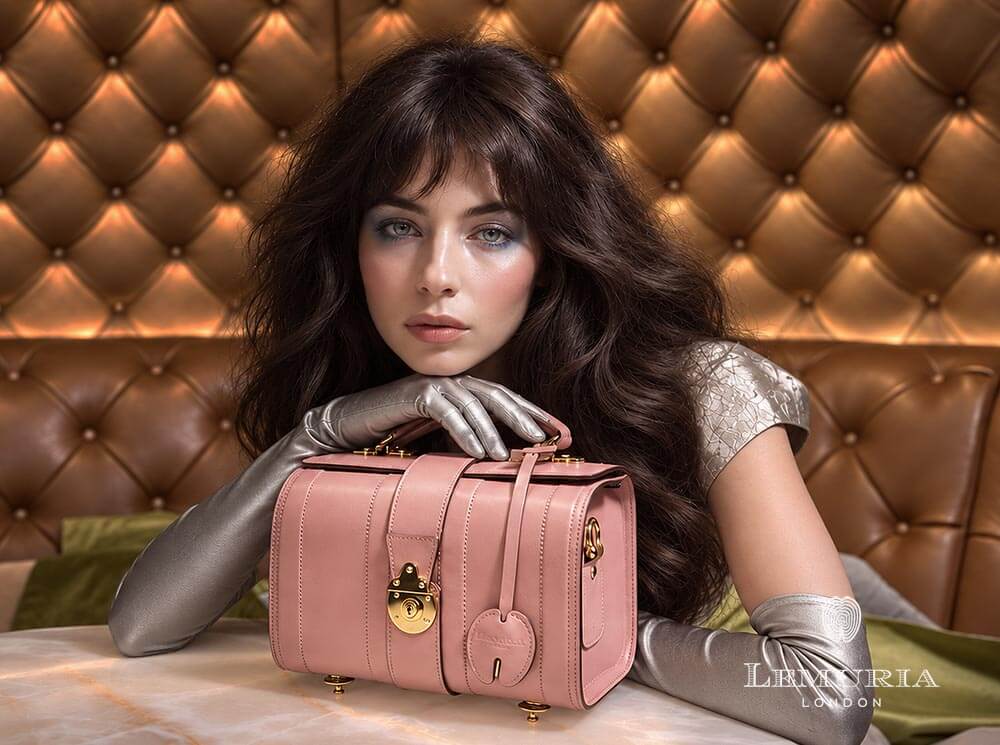
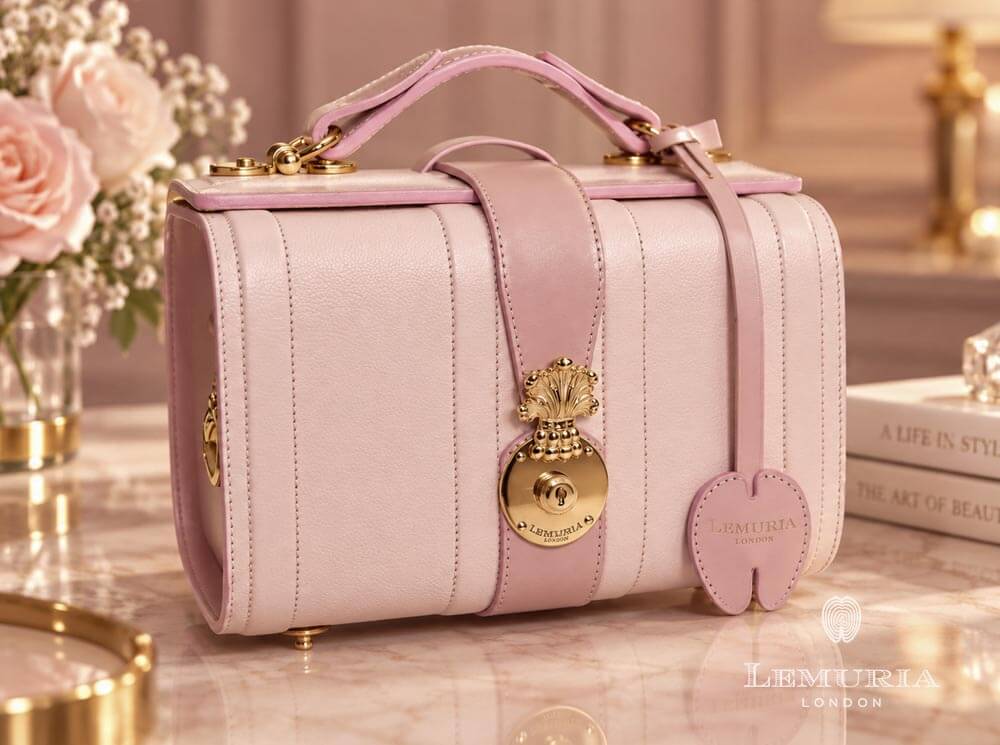
More equipment was not the immediate answer. More control was.
You may assume that a highly reflective environment simply needs more light. What it really needs first is an understanding of what every surface is going to record.
I used two LED sources and two Profoto flash heads, combined with timed exposure, to balance the model, products, room ambience and reflective surfaces of the capsule.
The intention was never to demonstrate the lighting. It was to make the finished photograph feel coherent.
If controlling light with fewer sources is something you are working on, I created a free practical guide around exactly that.
Shape Better Portraits With a Single Light →Have the idea, collection or location — but not yet the complete visual answer?
This is where creative direction and photography become part of the same process. I can help interpret the brief, identify the visual opportunity and develop the campaign from initial idea through to finished imagery.
Discuss Your Campaign →Sometimes everything is technically correct — and the photograph still is not working.
You will probably recognise that feeling too.
Throughout the production I worked with makeup, the model, posture, expression and the relationship between clothing, bags and the environment.
When something stopped working, continuing to photograph it was not the solution.
Sometimes the adjustment was posture. Sometimes expression. Sometimes the relationship between the product, the body and the camera.
Creative direction is not simply telling somebody where to stand. It is recognising why an image is not yet working and knowing what to change.
This thinking sits behind SUBJEX™ — reading the subject before directing the subject.
Explore the James Nader Visual Systems →The shoot ended. The visual idea did not.
You may think post-production begins when the creative work finishes. Here it became another part of the creative direction.
The original captures gave me the structure, subject relationship and lighting I needed.
From there I developed Mars-like environments, created believable reflections across the capsule and integrated elements until the setting felt less like an installation on King’s Road and more like the otherworldly luxury environment the campaign suggested.
Post-production was not simply repairing the photograph. It was extending the idea.
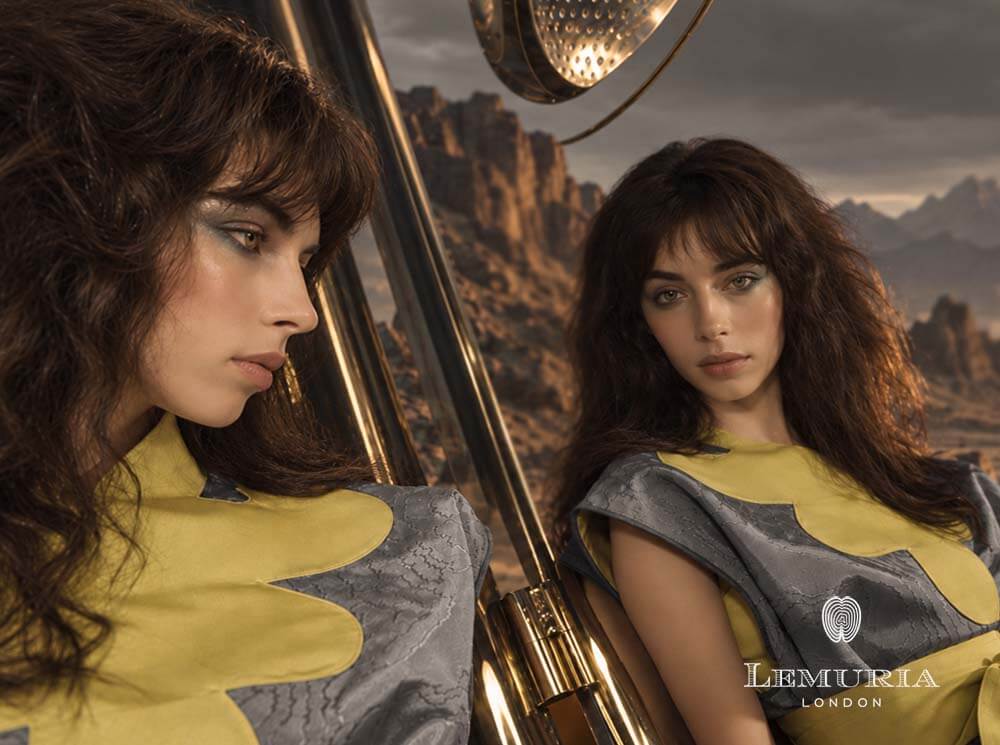
What you see in the final photograph is only part of the story.
The accompanying film uses high-angle GoPro footage, first-person camera, polished behind-the-scenes material, original on-set audio and the finished photographs to show how the decisions developed during the shoot.
The intention is not simply to show what happened behind the scenes. It is to reveal what I was looking for, what stopped working and why the next decision changed the image.
10 decisions you can use immediately.
James Nader is a British fashion, advertising and portrait photographer and creative director with more than three decades of professional experience producing campaigns, editorial photography and visual content for brands, agencies and private clients.
His work combines photography, lighting, visual direction and post-production, with particular expertise in cinematic imagery, monochrome and location-based production.
About James Nader →Your next assignment probably will not involve an Apollo capsule.
But it may give you less time, less room, fewer resources or fewer possibilities than you hoped for.
That is when the camera becomes the least interesting part of the problem.
The real work is recognising what remains possible, deciding what matters and turning those decisions into photographs that feel intentional.
That was ultimately what this campaign required — and it is the same thinking I bring to commercial production today.
“A strong photograph is rarely the result of having unlimited options. It comes from recognising the right option.”James Nader
About the Lemuria London fashion campaign
What was James Nader’s role on the Lemuria London campaign?
James handled photography, creative direction, production input, model direction and post-production/compositing.
Where was the Lemuria fashion campaign photographed?
The campaign was photographed at Timothy Oulton on King’s Road in London, using the Apollo capsule as the principal campaign environment.
What camera and lighting were used?
James worked primarily with a Nikon Z9 and 24–70mm lens, using two LED sources and two Profoto flash heads combined with timed exposure.
Does James Nader work across photography and creative direction?
Yes. Commercial assignments can include visual interpretation, creative direction, photography, production decisions and development of the finished campaign imagery.
Have the ambition but not yet the complete visual answer?
I work across creative direction, production, photography and post-production to turn an initial idea into a coherent visual campaign — including projects where the brief still needs to be interpreted, developed and solved.
Discuss a Commission View Selected Work