The Goddess Tour — Twenty Pieces of Fine-Art Photography Across Europe
The Lambertz Calendar had already established itself as one of Europe’s major prestige calendars, widely regarded as a serious alternative to Pirelli. When I was commissioned to photograph it, the assignment was not to produce a conventional promotional calendar. It was to create twenty individual pieces of photographic art.
The word calendar can be misleading. This was far removed from the old idea of a promotional calendar designed simply for a garage or workshop wall. Lambertz had developed the calendar as a collectable fine-art publication, intended to be displayed on walls across Europe.
That meant each photograph had to function in two ways. It had to work independently as an artwork, but it also had to belong to a complete visual series.
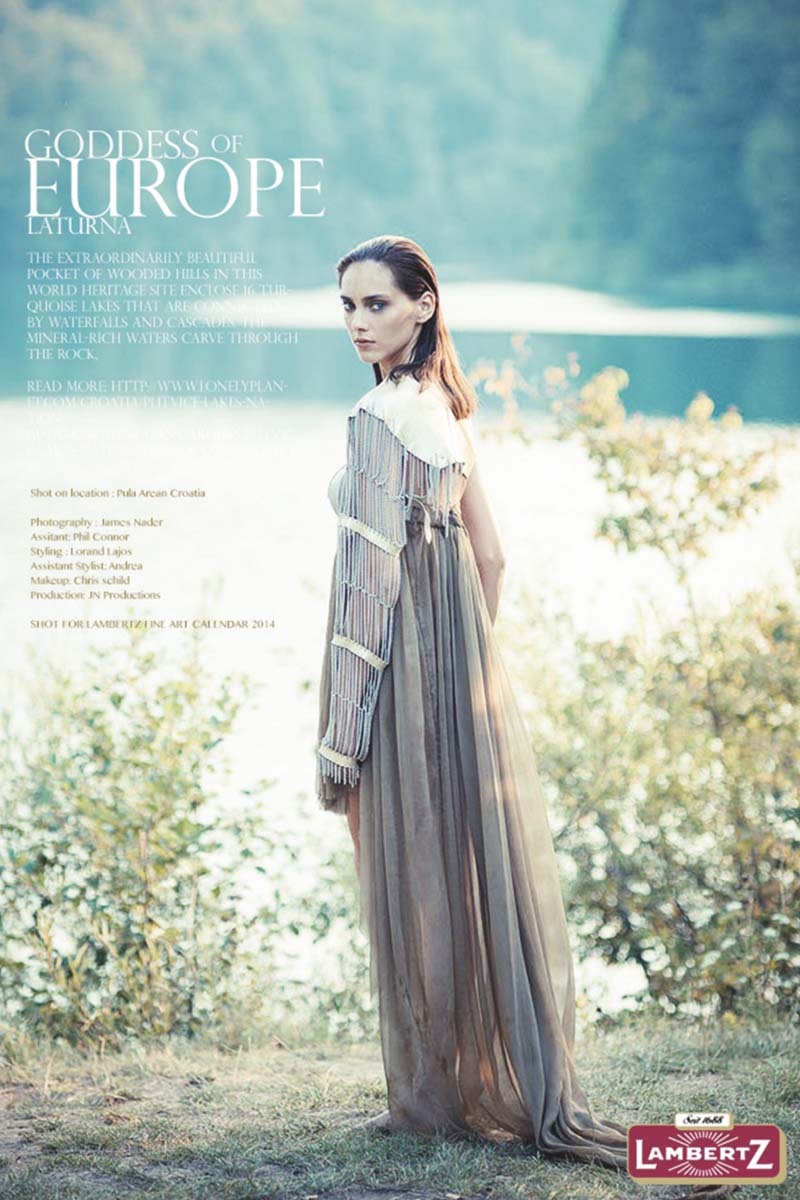
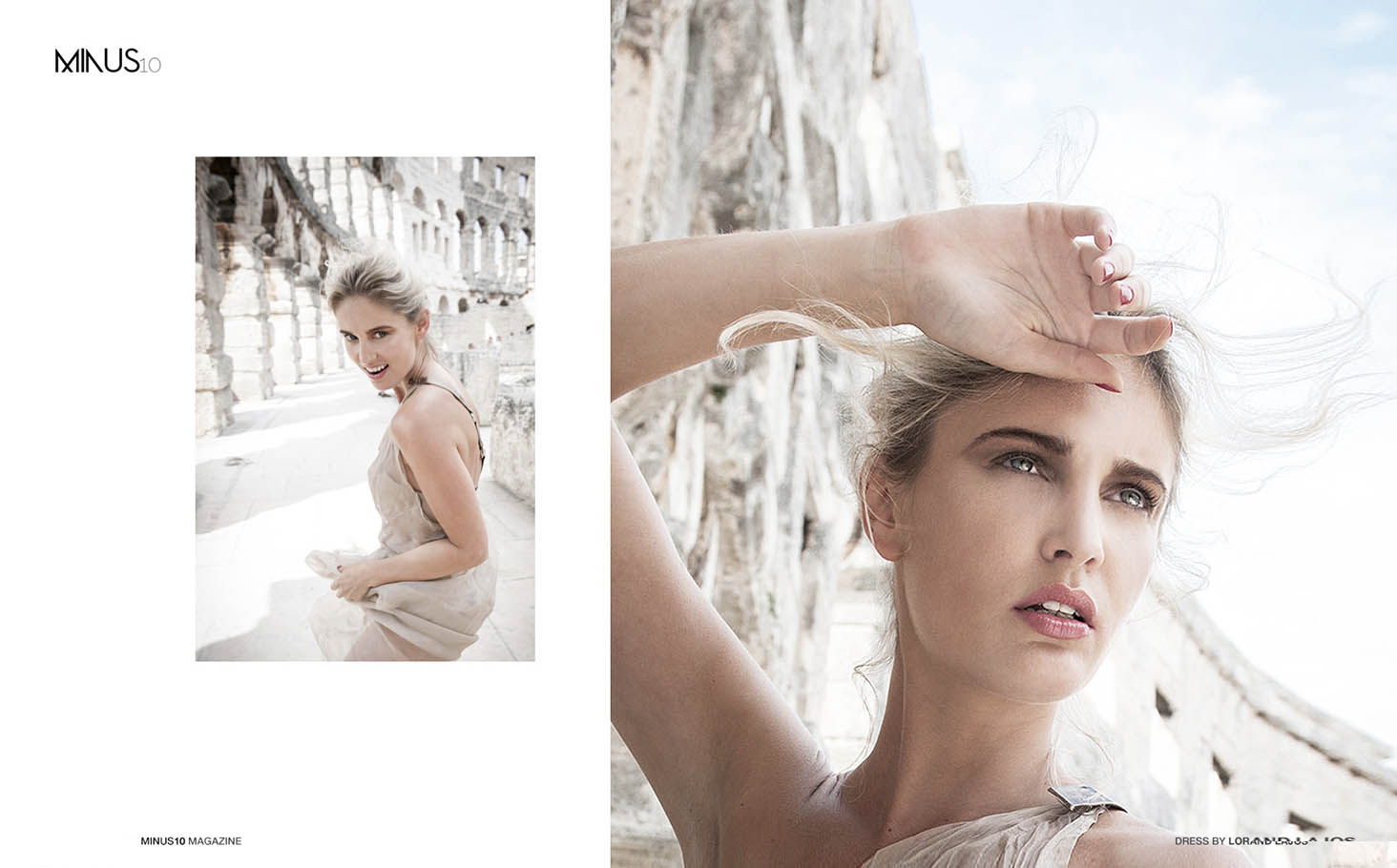
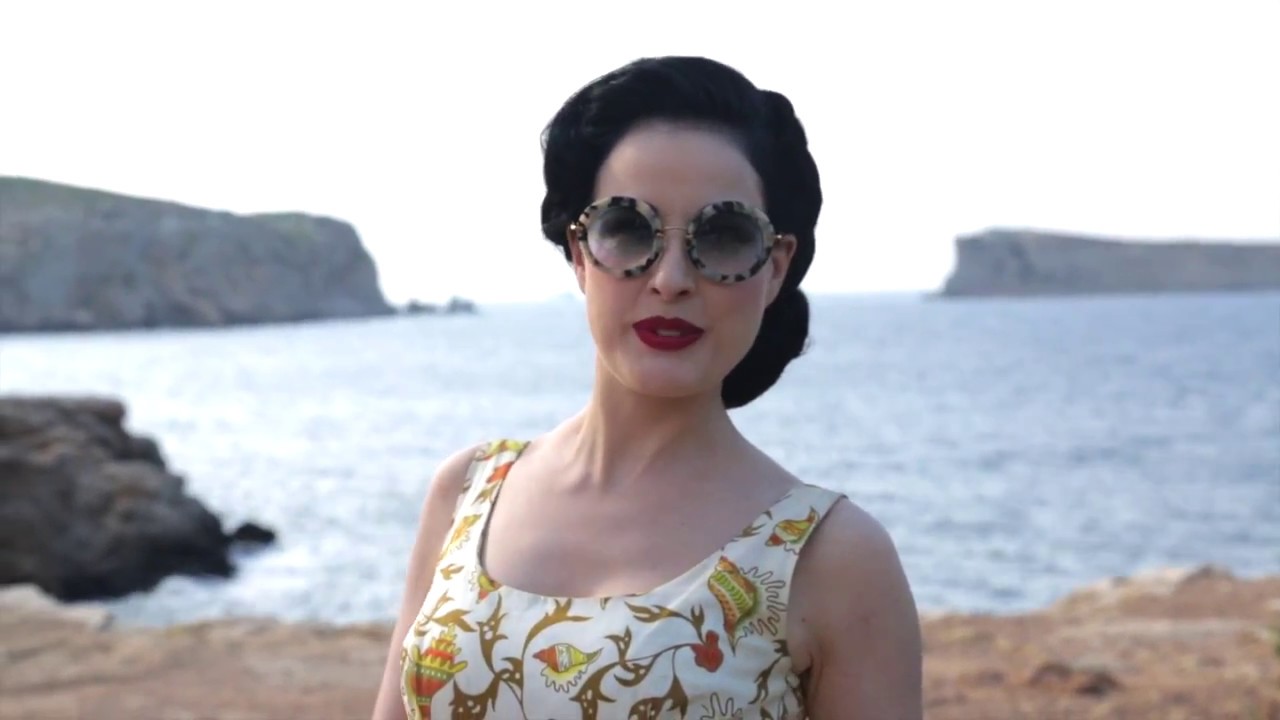
The production eventually involved twenty-seven people travelling through twelve European countries. The women photographed included Miss Germany, a winner of Germany’s Next Topmodel, Dita Von Teese and internationally recognised supermodel Petra Němcová.
For me, however, the attraction was not simply the scale of the international fashion photography production or the calibre of the people involved. What interested me was the opportunity to create something that pushed beyond conventional fashion photography and into a more cinematic, conceptual and constructed visual world.
The Goddesses of Europe
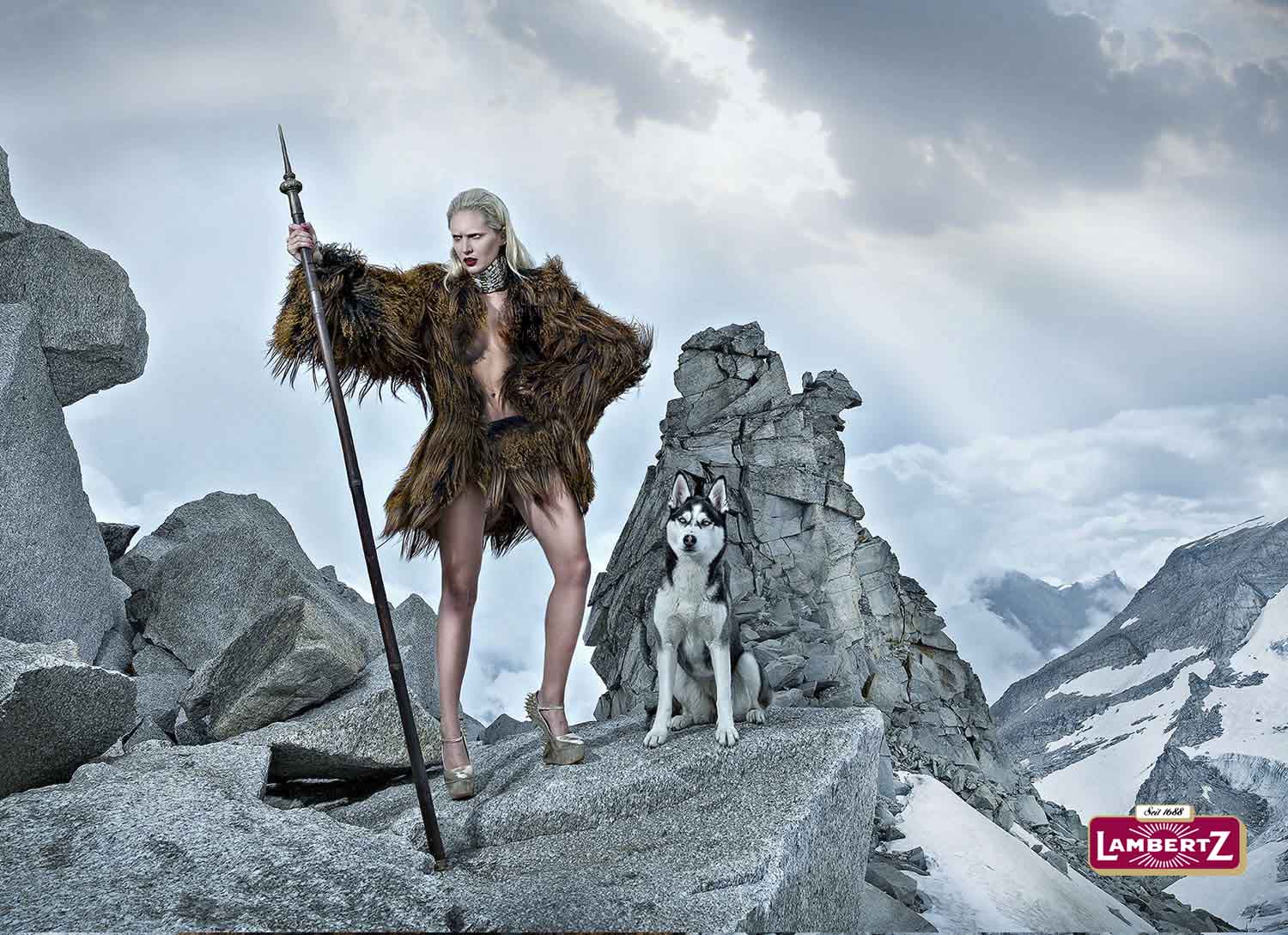
Each woman represented a goddess or mythological figure drawn from European culture. That provided the creative thread running through the entire Lambertz Goddess Calendar.
The individual photographs could be dramatically different in location, styling, subject and atmosphere, but the finished calendar still had to feel as though every image belonged to the same visual world.
There was no conventional photographic brief containing twenty finished layouts for me to reproduce. The process demanded interpretation.
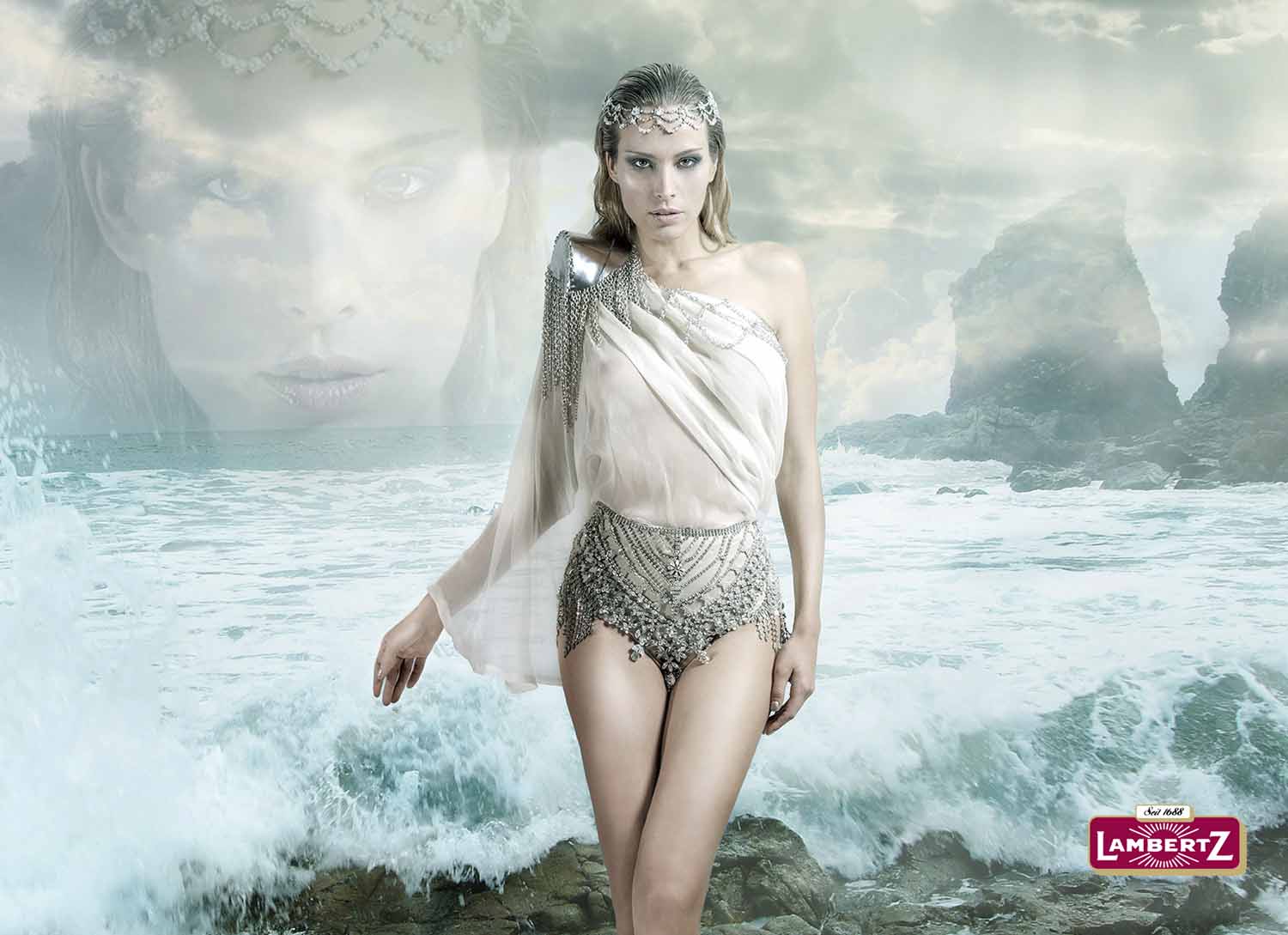
I worked alongside the co-producer responsible for the Photoshop compositing and final image construction, which meant I had to approach every location with the finished artwork already forming in my mind.
I wanted the photographs to feel dark, theatrical, cinematic and elemental. The mythology supplied the narrative, but the photography itself still needed enough reality to make those constructed worlds believable.