
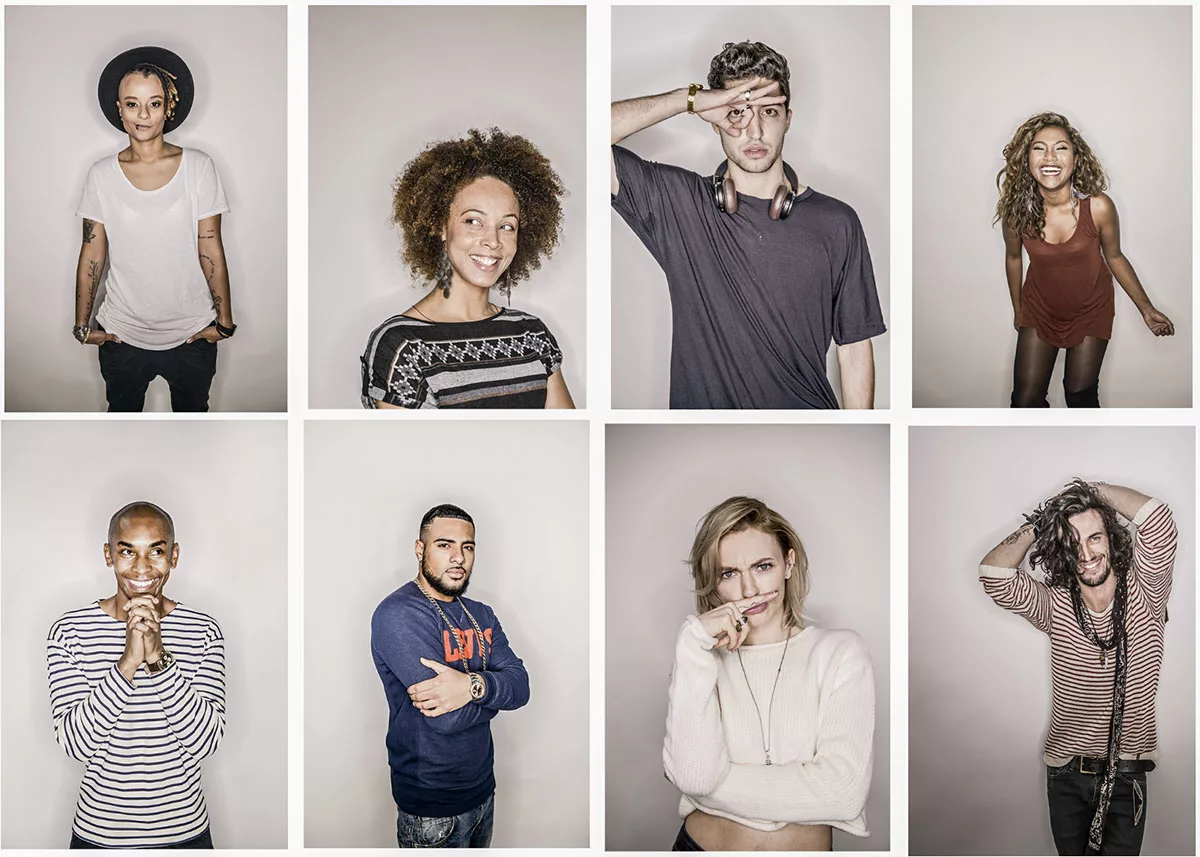
Commercial Lifestyle Photography: The Five-Minute Portrait Test
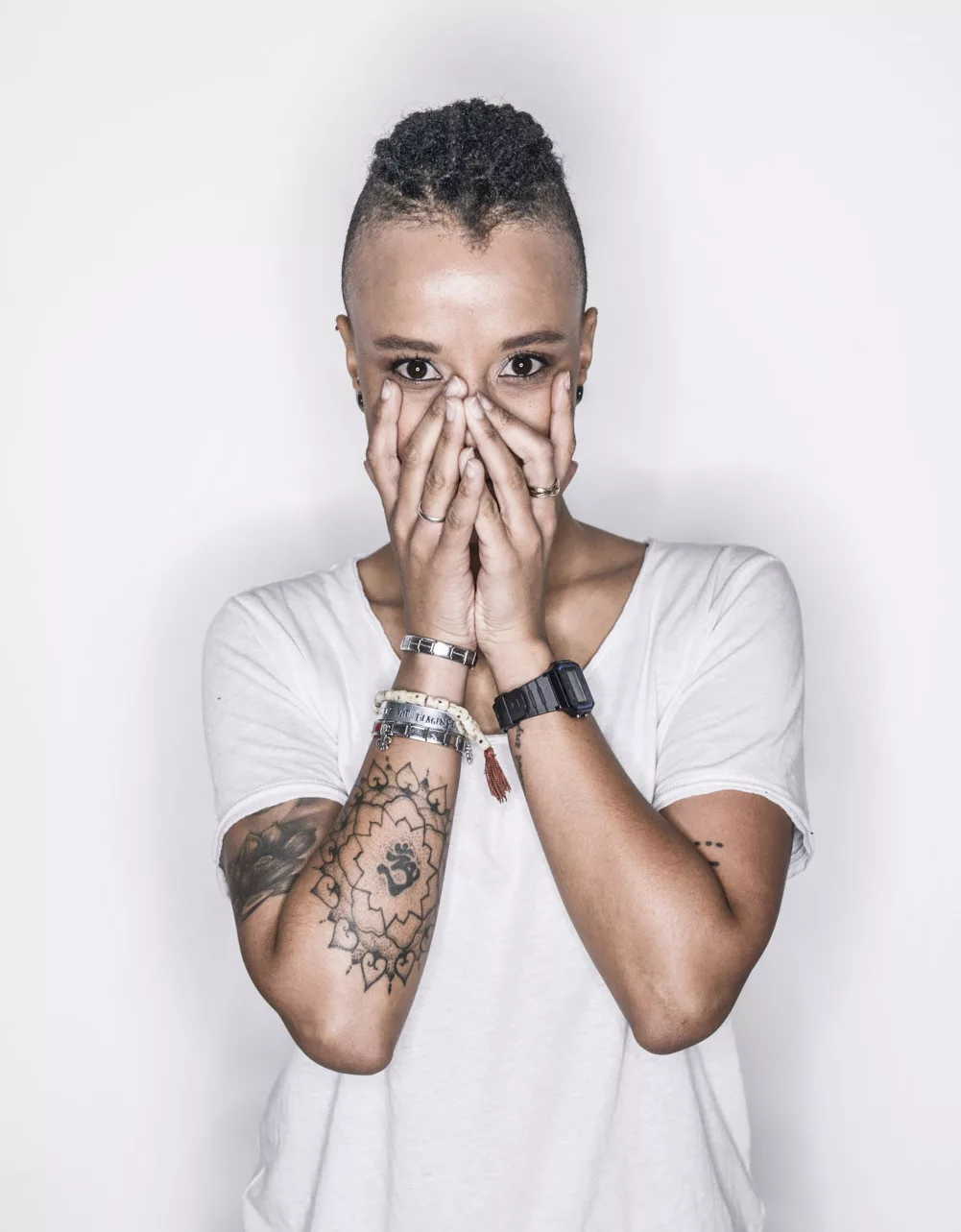
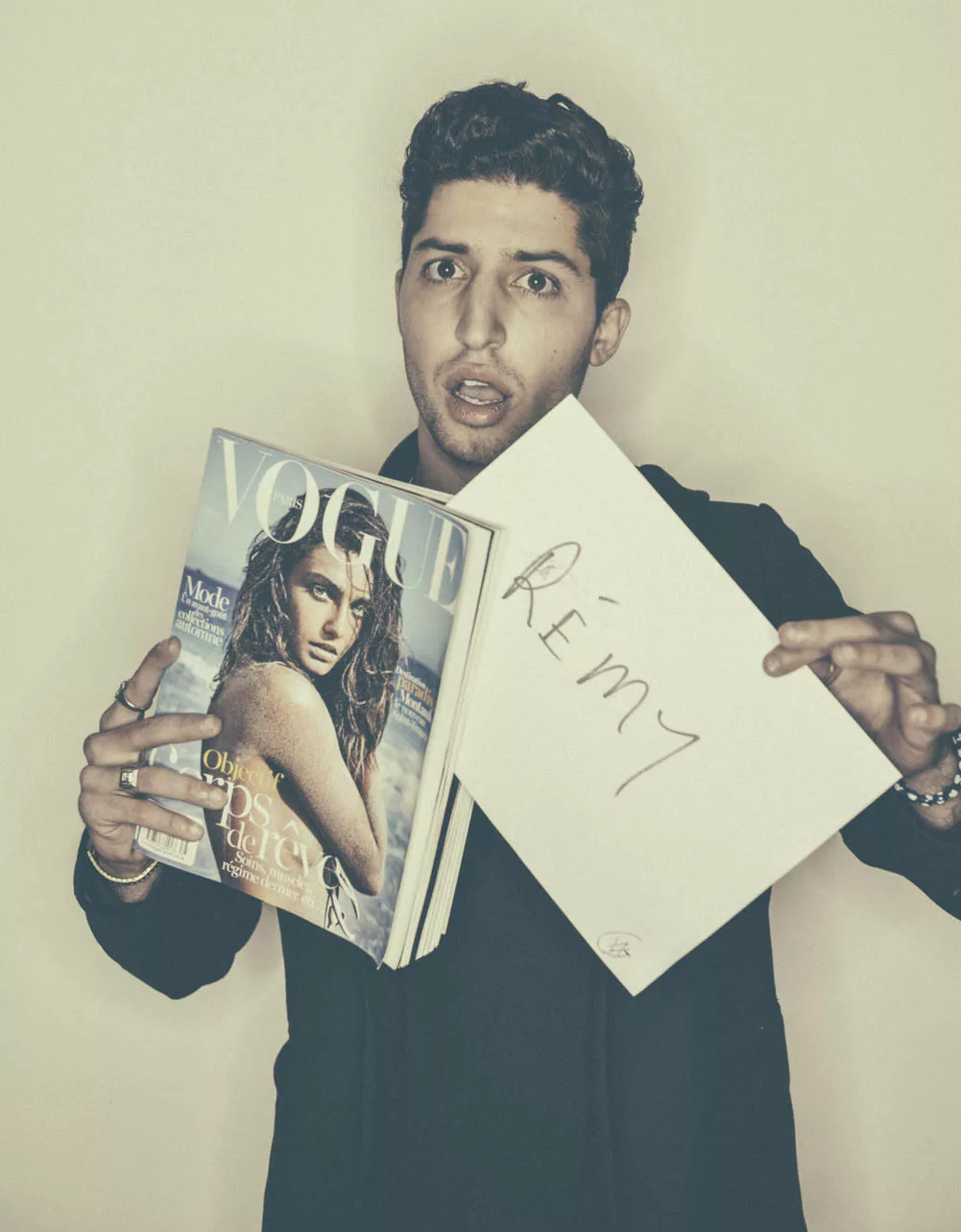
I began this commercial lifestyle photography shoot with a practical objective. I needed new people to photograph for future Getty Images productions, but I wanted to look beyond the conventional model-agency system and establish direct relationships with people I could work with again.
The idea was deliberately simple.
ONE CAMERA.
ONE LENS.
FIVE MINUTES.
And that restriction changed everything.
What began as a casting exercise became an experiment in something more important: what happens when you remove many of the things photographers normally use to solve uncertainty.
Why did I want a different casting process?
Commercial photography can become complicated very quickly.
Models, agencies, assistants, styling, production, locations, insurance and usage agreements all carry financial consequences. On a commissioned advertising shoot that structure can be completely appropriate.
Stock photography operates differently.
You may fund the production before knowing which images will sell, how often they will be licensed or how long it will take to recover the cost. The photographs need the freedom to remain commercially useful over time.
I therefore wanted to meet people outside the conventional agency structure and establish clear direct relationships for future Getty Images lifestyle productions.
It was to create a direct professional relationship in which people were paid fairly, future fees could be agreed clearly and the photographs could retain long-term commercial value without unnecessary layers of administration.
But the sessions began revealing something else.
Because each person only had a few minutes in front of the camera, I could not hide behind constant lighting changes, new lenses or elaborate direction.
“When I removed the technical decisions, I became more attentive to the person.
Five minutes changes the way you look
Five minutes sounds restrictive.
It was.
There wasn't time to redesign the lighting, change lenses repeatedly or construct an elaborate performance.
The technical decisions had to be made before the person entered the frame.
I watched how they stood.
How they moved.
Where tension appeared.
What happened when they stopped posing.
Whether they became stronger with direction — or when I stopped directing altogether.
The restriction didn't make the photography careless. It made the decisions clearer.
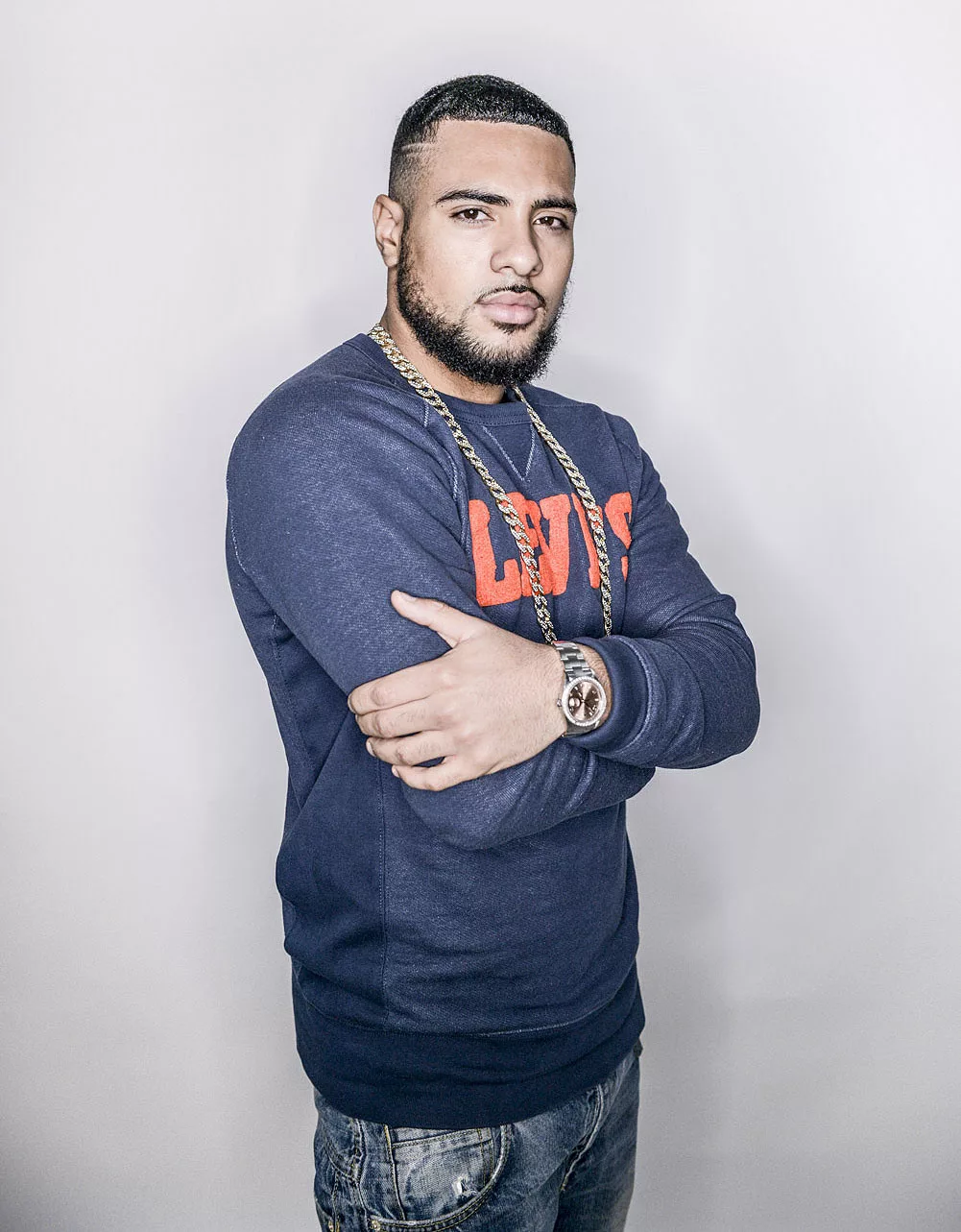
A fixed setup does not mean fixed thinking
The lighting remained fixed. The camera stayed in my hand. The lens remained the same.
Yet the photographs could not become the same.
I could move closer, step wider or lower the camera, but the more important variation came from the person.
Some became more convincing when they moved. Others became stronger when they stopped.
Some needed precise direction. Others became more interesting when I said less.
Had I imposed exactly the same sequence of poses on everybody, I would have created technically consistent photographs of very different people who somehow all looked the same.
That isn't consistency.
It is repetition.
Why did less direction produce better pictures?
It is very easy to keep a subject moving simply because the photograph has not resolved.
Turn. Look away. Step forward. Move your hand. Change expression.
Activity can make a shoot feel productive while postponing the moment when the photographer actually has to decide what the picture is about.
Within five minutes that becomes obvious.
Every instruction needs to improve something specific.
I began directing posture only after understanding what the existing posture communicated. I introduced movement when stillness restricted the person. I adjusted a face towards or away from the light because the tonal structure required it, not because I was following a sequence of poses.
“Direction should clarify what you have seen. It should not conceal the fact that you haven't seen anything yet.
The quieter I became, the more information I received.
A brief release in the face. A shift in weight. A small hesitation. The moment immediately after someone stopped consciously performing for the camera.
Those transitional moments often contained more character than the pose itself.
Character began to outweigh appearance
One of the strongest lessons from the casting was that the person who initially appears most confident is not necessarily the person who creates the strongest photographs.
Someone can enter the studio with obvious physical presence and become less convincing the moment they begin to perform.
Another person may initially seem quieter, yet become increasingly compelling as the camera begins to recognise their character.
Appearance matters when an assignment requires a specific visual type, but it is only the beginning of a useful professional relationship.
I was also asking whether that person could respond to direction without becoming mechanical, remain present when the idea changed, work on location and bring something of themselves into the frame.
That adaptability has enormous commercial value.
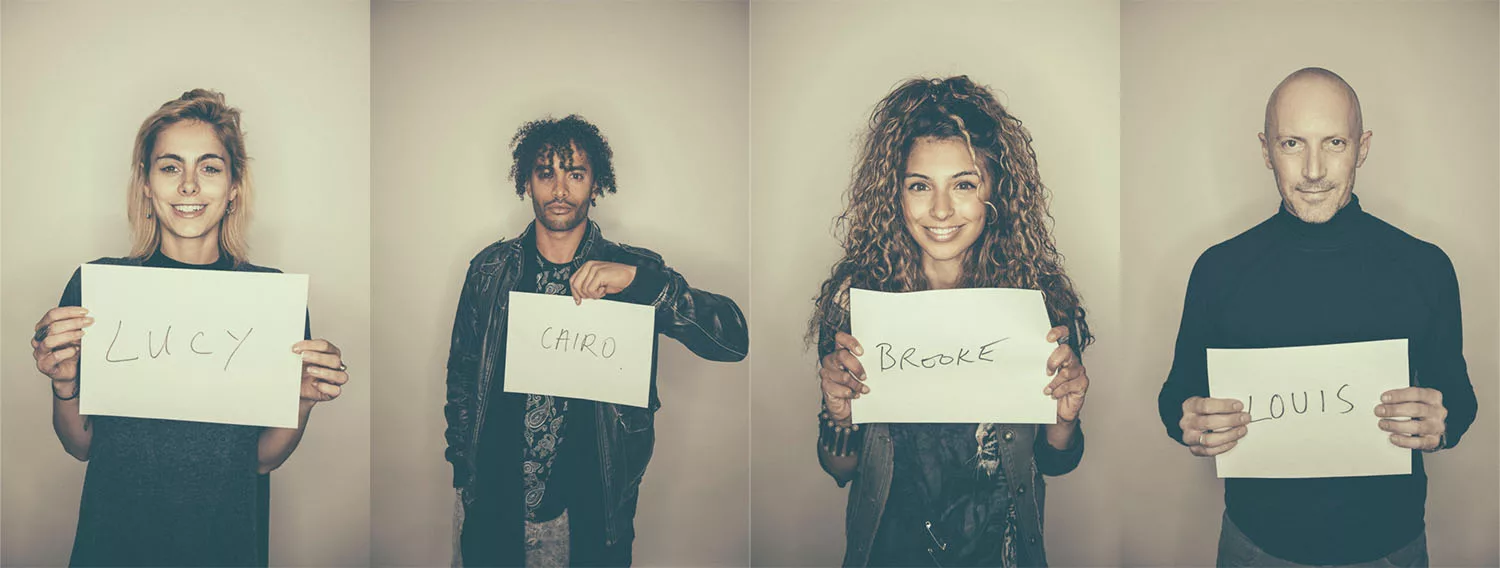
The problem with too much production
There was another reason I wanted to simplify this process.
As production becomes more expensive, experimentation can become increasingly difficult.
An idea that might once have been tested quickly can suddenly require casting negotiations, larger budgets, production approval and a commercial justification before the camera is even raised.
The consequences of getting something wrong become greater.
And something predictable begins to happen.
Casting becomes safer.
Lighting becomes safer.
The production may become richer while the thinking becomes poorer.
I think of this as creative poverty.
It isn't a lack of money.
It is what happens when cost, complexity and expectation become so influential that the photographer stops pursuing ideas whose outcome cannot be guaranteed.
Uncertainty begins to look like failure instead of a necessary part of discovery.
That was the cycle I wanted this shoot to interrupt.
I needed something professional enough to create useful work, but light enough to preserve experimentation.
What makes a photograph commercially useful?
Getty Images introduced another challenge.
The pictures needed enough identity to feel believable, but they couldn't be so narrowly constructed that they supported only one interpretation.
A stock photograph may eventually be used in an advertisement, editorial feature, digital campaign or design that did not exist when the picture was made.
That means the photograph needs to remain open.
A gesture might suggest confidence without explaining why.
An expression might imply uncertainty without telling the viewer what happened immediately before it.
The photograph carries human meaning while leaving enough space for an art director, designer or editor to introduce a different context.
Too generic and the photograph becomes empty.
Too heavily styled and its usefulness narrows.
Commercial adaptability exists somewhere between those two extremes.
The real lesson was not speed
It would be easy to describe this as an exercise in learning to work faster.
But that wasn't what changed.
The five-minute limit simply removed the opportunity to delay decisions.
Lighting, exposure, lens choice and the working area had already been resolved.
I therefore had to spend those five minutes deciding what was worth photographing.
“The process made me faster because it made me clearer.
Why should experienced photographers continue testing?
Testing is often treated as something photographers do early in their careers.
Something used to build a portfolio, prove technical ability or find a visual style.
I think that definition is too limited.
The purpose of testing changes as your experience grows, but its value does not disappear.
Later in a career it can become professional research.
A place to investigate lighting.
A place to meet collaborators.
A place to question working habits.
A place to explore ideas without client pressure.
A place to discover whether the complexity you have accumulated is actually helping you.
A commissioned shoot is not always the best place to answer those questions.
The client is paying for certainty. You are responsible for the result, schedule and budget.
A properly designed test allows uncertainty to remain useful.
“You do not outgrow testing. You outgrow testing that no longer serves your work.”
Try the five-minute portrait test
Choose one person and deliberately remove most of your options.
One camera.
One lens.
One background.
One fixed lighting arrangement.
Five minutes.
Resolve the exposure before the session begins.
Do not change lenses. Do not move the lighting. Do not introduce additional equipment simply because the photograph has not immediately appeared.
Begin by talking to the person.
Who are you?
What do you want to do?
Why are you here?
Then create five genuinely different photographs:
- A close portrait built around expression.
- A wider composition showing the person within the space.
- An image based around gesture or movement.
- A quieter frame built around stillness.
- One photograph you did not plan before the session began.
What should you review afterwards?
The exercise isn't finished when the timer stops.
The review is where you discover whether the restriction improved your judgement or merely made you work faster.
When did I make my clearest decision?
Where did I hesitate?
Did I direct because I saw something or because I felt uncertain?
Which image feels observed rather than manufactured?
Which photograph has the widest commercial potential?
What equipment did I think I needed but never actually use?
The transformation
There is a point in photography where more equipment, more frames and more activity stop improving the work.
The next improvement comes from judgement.
You stop searching for the photograph through equipment and begin recognising it through observation.
to recognising through judgement.
The camera has not become less important technically.
It has simply returned to its correct role.
“The camera records the decisions already made.
7 things to take away
01 — Simplicity must be designed.
Reduced production only works when the essential technical decisions have already been resolved.
02 — Speed is not rushing.
Productive speed comes from removing decisions that no longer need your attention.
03 — Consistency is not repetition.
One setup can produce very different photographs when you continue responding to the individual.
04 — Direction needs a purpose.
Every instruction should clarify expression, posture, gesture, light or composition.
05 — Character has commercial value.
Adaptability, presence and responsiveness may matter more than conventional appearance alone.
06 — Testing is professional research.
Use it to investigate ideas and working methods before placing that uncertainty inside a client-funded production.
07 — Recognition comes before capture.
Strong judgement means recognising when the photograph has resolved rather than continuing to collect alternatives.
Frequently Asked Questions
What is commercial lifestyle photography?
Commercial lifestyle photography creates believable images of people, products, services or experiences for advertising, branding, editorial and stock use.
Why cast models outside conventional agencies?
In this project the purpose was to create a direct network of adaptable people for future Getty Images productions while agreeing payment and future usage clearly and directly.
Were the people photographed paid?
Yes. Everyone was compensated directly for their time, with any future production fees and usage terms to be agreed clearly if further shoots were arranged.
Why are short photography sessions useful?
Short sessions remove time for unnecessary equipment changes and repeated variations, forcing greater attention onto observation, judgement and purposeful direction.
Should experienced photographers still test?
Yes. At a professional level, testing becomes research: a way of investigating collaborators, lighting, visual ideas and working methods without placing unresolved experimentation inside a commissioned production.
Final reflection
The five-minute structure began as a practical way of meeting new people and building a direct network for future Getty Images lifestyle photography.
Its greater value was that it exposed the difference between a busy photographic process and a clear one.
Once lighting, exposure and equipment stopped demanding attention, I became more aware of expression, posture, gesture, space and character.
I stopped trying to manufacture photographs through activity.
I started recognising what was already there.
Not because I photographed faster, but because I had fewer unnecessary decisions standing between me and the picture.
PHOTOGRAPHER | DIRECTOR | MENTOR
SOCIAL
YouTube — https://www.youtube.com/jamesnader
Instagram — https://www.instagram.com/jamesnader
LinkedIn — https://www.linkedin.com/in/jamesnader
EDUCATION – www.jamesnadereducation.com
FREE RESOURCES
TRIOMÉ™ Starter Guide — https://stan.store/jamesnader
Free Photography Guides — https://stan.store/jamesnader
EXPLORE
Work · Learn · About · Contact
No Comments