
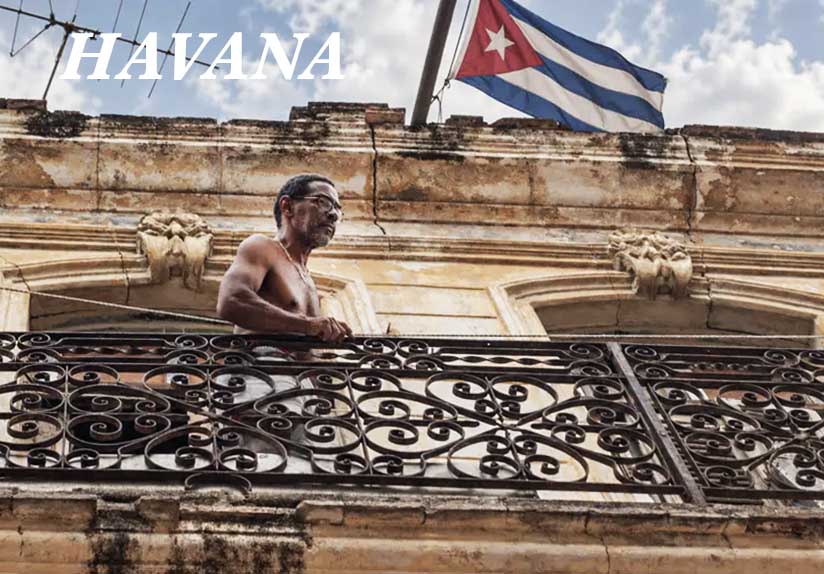
Havana Street Photography – Cuba
Havana Street Photography: What Cuba Taught Me About Seeing
After years of constructing photographs for fashion, advertising and editorial campaigns, Havana reminded me of something rather different: the value of observation, the freedom of working without a brief, and recognising a photograph before the camera reaches my eye.
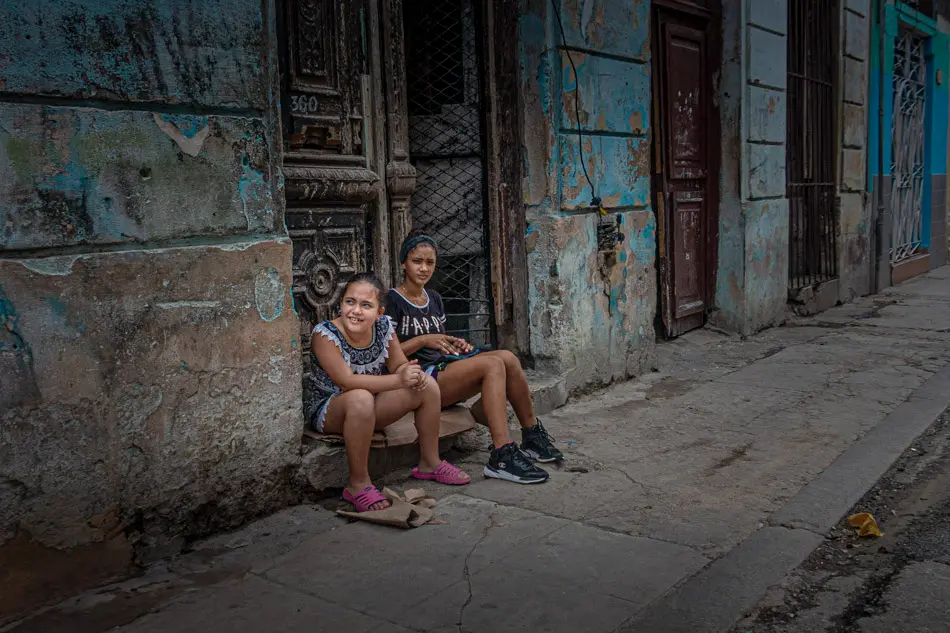
I arrived in Havana with the freedom to photograph without a commercial brief. No lighting team, no models waiting for direction, no client expecting a particular result. Just a camera, the streets and whatever caught my attention.
After decades photographing fashion, advertising and editorial campaigns, I was accustomed to approaching an assignment with a clear purpose. I would decide on the light, organise the subject, control the background and work towards an image I could already imagine.
Street photography in Havana required another kind of attention. Rather than controlling what happened, I had to respond to it. Rather than directing people, I had to understand the relationships unfolding in front of me.
And what fascinated me was how much of the thinking remained the same. The decisions were still there. The difference was that I had less control over the circumstances in which I made them.
“I believe that photography is less about taking photographs, and more about recognising the photograph that exists before the shutter is pressed.”
James Nader
Why Havana? Why Street Photography?
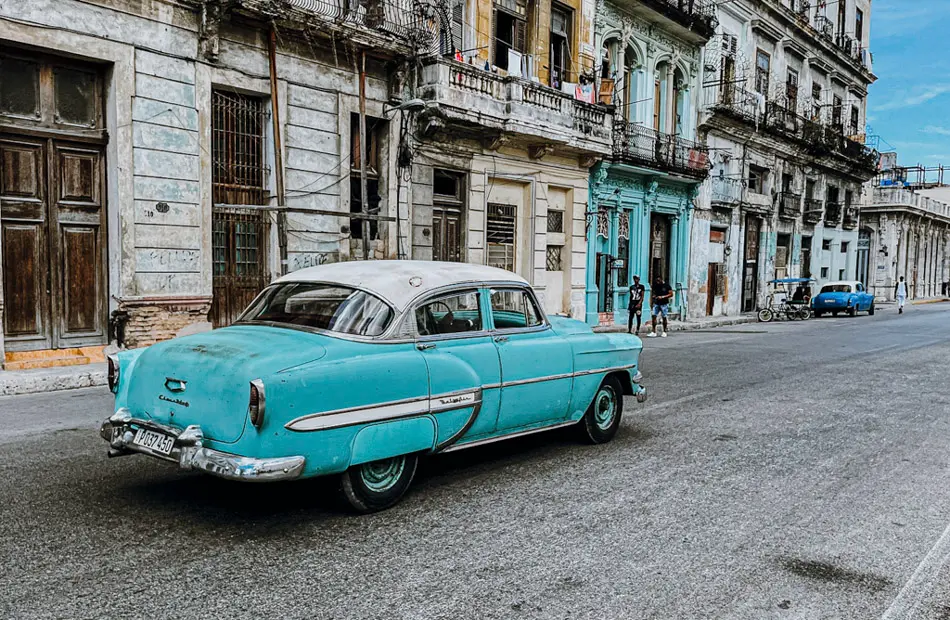
Havana is an extraordinary city to experience through a camera. The architecture, the colour, the old American cars and the activity taking place on almost every corner make it visually compelling.
But there is a danger in photographing somewhere so immediately recognisable. It is easy to become distracted by the obvious symbols of a place. A brightly painted car or a crumbling façade can attract attention without necessarily producing a memorable image.
I wanted to look beyond those recognisable subjects and understand what was happening within the streets. The conversations, gestures, architecture, sunlight and the relationships between people.
Havana offered plenty to photograph. The challenge was deciding what deserved to become a photograph.
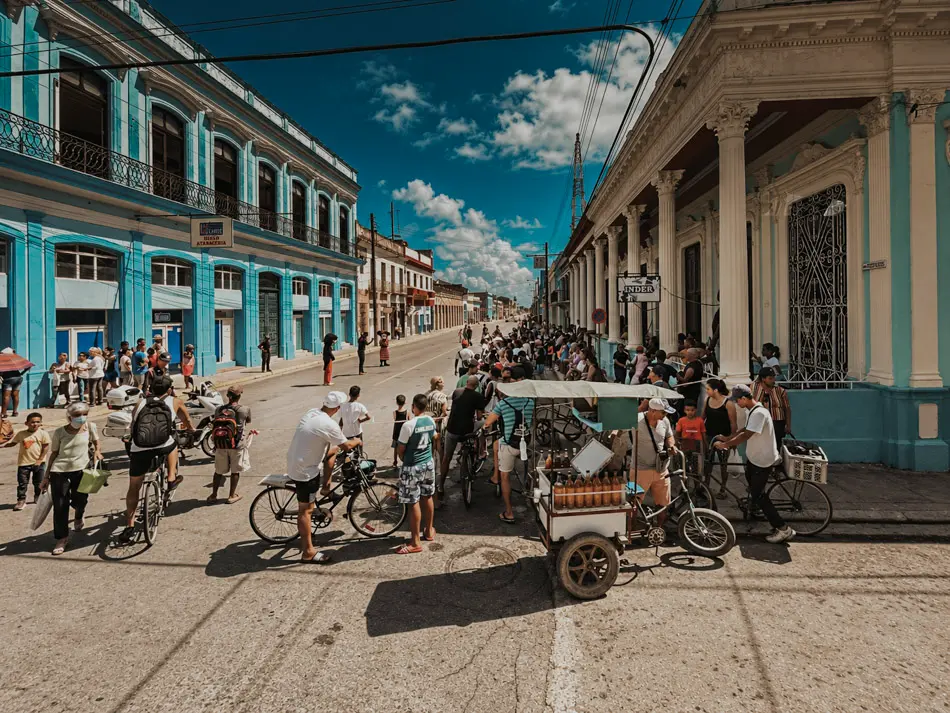
Learning to See Rather Than Simply Look
There is a difference between noticing something interesting and recognising the possibility of a strong photograph.
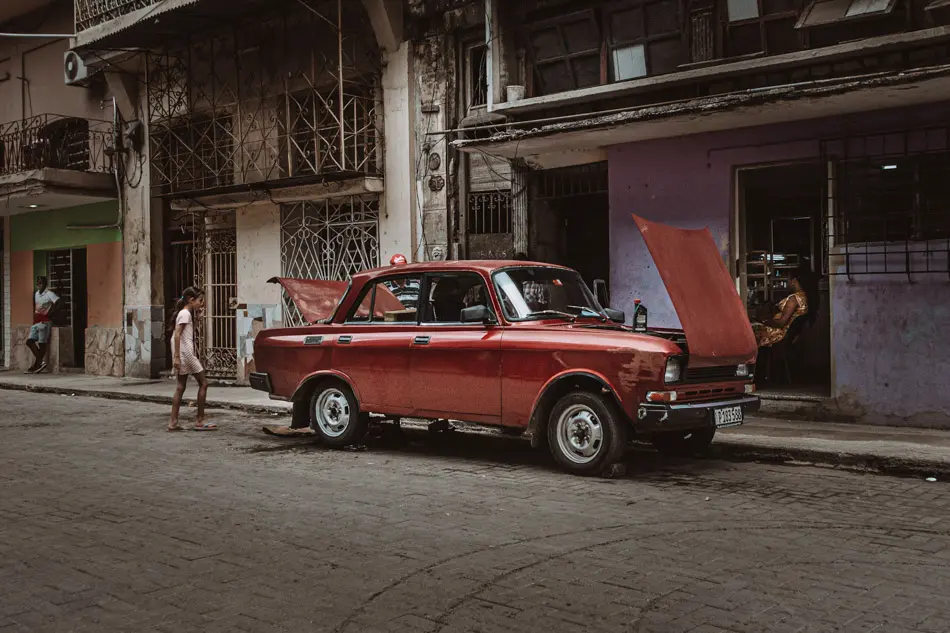
Walking through Havana, I found myself considering the relationships between the people and their surroundings. A doorway might frame a figure. A patch of sunlight might illuminate a gesture. Someone entering the background could change the balance of the whole image.
These relationships are not always immediately apparent. Sometimes they need time to develop.
Composition, to me, is not simply about placing a subject within a rectangle. It is the organisation of visual information so that everything has a purpose.
In street photography that organisation happens while the world continues moving around you.
It requires patience, awareness and the confidence not to make an exposure simply because something looks interesting.
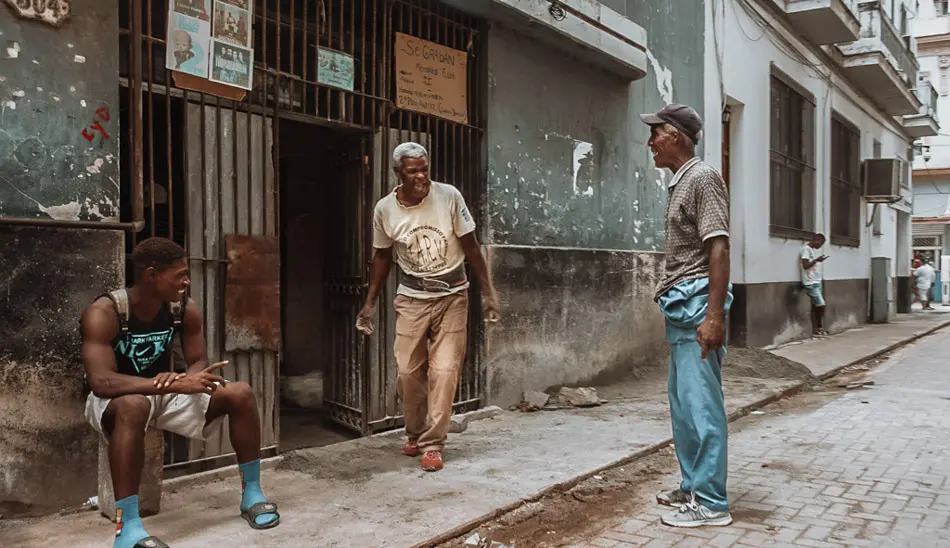
“The camera records the decisions already made. The real skill is learning to make those decisions before the moment disappears.”
James Nader
Reading Natural Light in Havana
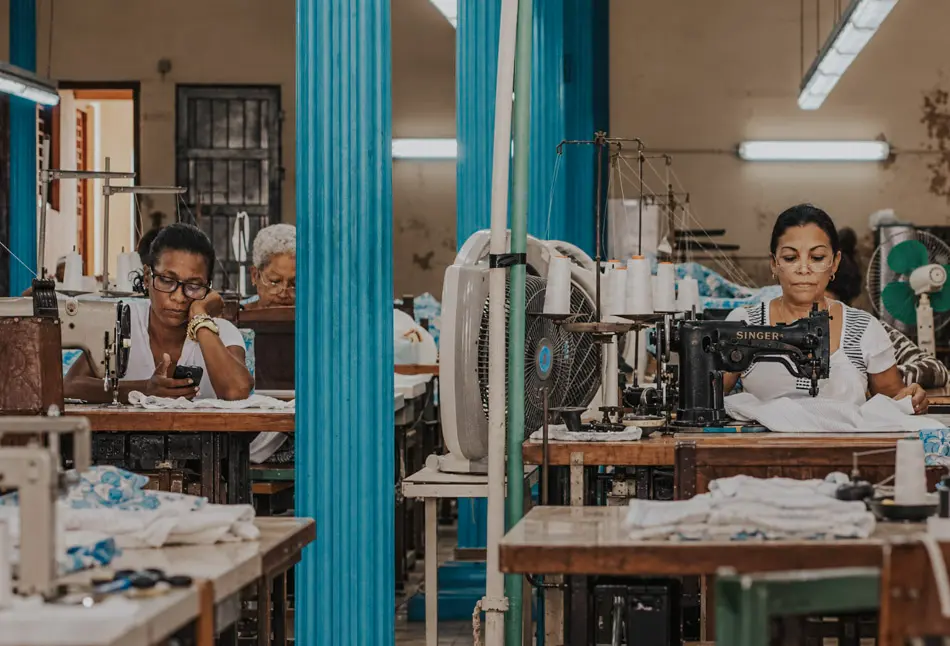
Havana's natural light could be beautiful and difficult in equal measure. Strong sunlight created deep shadows between the buildings. Doorways became pockets of shade, while open streets could be intensely bright.
On a commercial assignment I might modify these conditions with diffusion, reflectors or additional lighting. Here, I wanted to work with the light as I found it.
That meant changing my position, looking for natural separation between subject and background, and recognising how the light was shaping the scene.
A lifetime of working with photographic lighting had not become irrelevant simply because I was carrying a small camera.
If anything, the experience reinforced the importance of understanding light before attempting to control it.
Why I Travelled With a Small Camera
For this work I chose the Sony RX1R, a compact full-frame camera with a fixed 35mm Zeiss f/2 lens.
It allowed me to travel without the equipment normally associated with a commercial assignment. More importantly, it encouraged me to remain involved in the environment rather than concentrate on the equipment.
A fixed 35mm lens also requires a particular discipline. If the composition is not working, you must reconsider your position. Move closer, step back, change the angle or allow the scene to develop differently.
I was interested in retaining the surroundings, not simply isolating people against completely blurred backgrounds.
In documentary street photography, the environment often explains the photograph.
Learning When Not to Take the Photograph
One of the temptations of photographing an unfamiliar city is the feeling that you must keep moving. There is always another street, another subject or something happening around the next corner.
But I have learned that spending longer with a scene can often reveal more than constantly searching for a different one.
Sometimes the light is right and the background is strong, but the picture has not quite come together.
That is when I prefer to wait. Watch how people move. Observe what changes. Decide whether a small adjustment in viewpoint strengthens the composition.
Waiting is not the absence of a photographic decision. It is a decision in itself.
What Havana Changed in My Thinking
What interested me most when looking back at the photographs was how naturally this experience connected with my commercial work.
In fashion and advertising, I might control the background, direct the subject and construct the lighting. In Havana, almost everything existed independently of me.
Yet the underlying questions were much the same. What matters in the frame? Where does the eye travel? How does the light support the subject? What makes the image worth remembering?
The experience was a reminder that photographic judgement is transferable.
Patience on the street can improve the way we direct a portrait. Learning to read available light can inform our studio decisions. Observing human behaviour can create stronger connections within commercial imagery.
Different circumstances. The same process of seeing.
Four Decisions Behind a Stronger Photograph
The same approach can be applied to street photography, portraits, landscape and commercial imagery.
Observe the light, behaviour, space and movement.
Identify what gives the scene meaning and visual importance.
Build a clear relationship between the subject and surroundings.
Refine viewpoint, timing, focus and exposure.
Observe first. Shoot second.
If I Returned to Havana
If I returned to Havana, I would probably spend more time in fewer places. I would look for the quieter interactions, the unexpected gestures and those moments when the elements seem to align naturally.
I would still photograph the architecture and the cars. They are part of the visual character of the city.
But I would be less concerned with recording everything and more interested in recognising what matters.
That, for me, is what makes street photography valuable. It reminds us that even when we control very little, we are still responsible for every decision made within the frame.
Explore the Complete Havana Photography Gallery
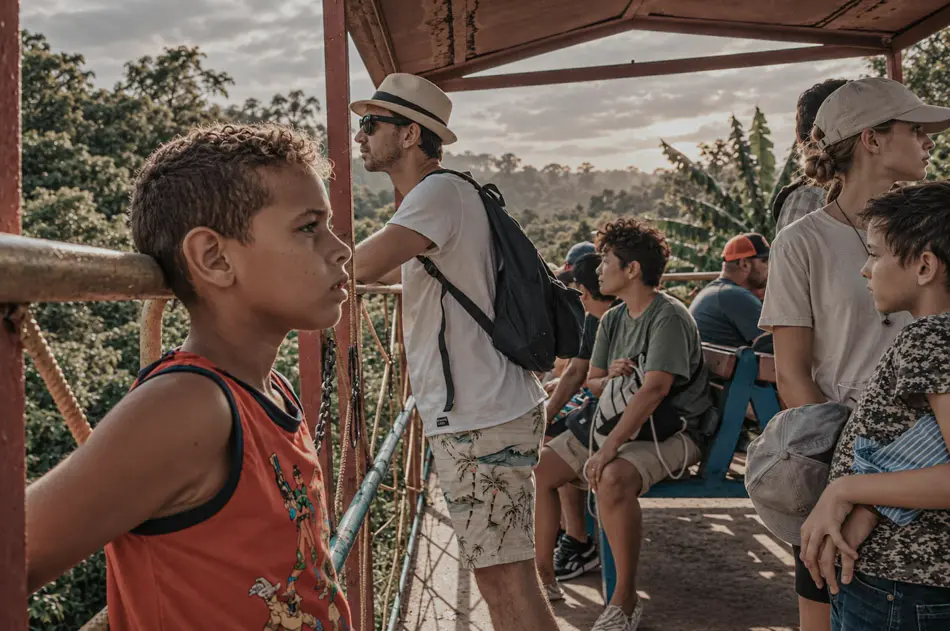
These photographs are part of a wider collection made while exploring Havana. Discover more of the people, streets, architecture and everyday moments that shaped my experience of photographing Cuba.
View the Havana Photography Gallery →What Havana Can Teach Your Photography
You do not need to travel thousands of miles to practise these ideas.
The same opportunities can be found on your own high street, at a railway station, in a local café or while making a portrait.
Look at the light before looking through the camera. Consider the background before concentrating entirely on the subject.
Give the scene time to develop. Refine your position. Learn to recognise when a composition has become stronger rather than simply taking more photographs.
The transformation is not about finding more interesting places. It is about developing a more deliberate way of seeing.
“Personal photography is not an escape from professional work. It is one of the ways I continue to question what makes an image work.”
James Nader
What I Brought Home
The photographs I made in Havana were not produced for a campaign. There was no client brief and no predetermined outcome.
But the experience reminded me why photography has remained such an important part of my life.
It is not simply the act of making an exposure. It is the process of looking, understanding, deciding and eventually recognising something worth preserving.
The camera is the final part of that process. Everything important begins before the shutter is pressed.
Havana Street Photography: Practical Questions
Why is Havana a good place for street photography?
Havana offers a distinctive combination of historic architecture, everyday street activity, strong natural light and textured urban environments. These make it particularly interesting for documentary photography, environmental portraits and layered street compositions.
What camera did James Nader use for his Cuba street photography?
I used the Sony RX1R, a compact full-frame camera with a fixed 35mm Zeiss f/2 lens. The compact design allowed me to work unobtrusively and concentrate on observation.
What is the best focal length for street photography?
A 35mm lens is a useful choice because it provides enough width to include surrounding context while remaining practical for photographing people. The best focal length depends on how you see and the relationship you want between subject and environment.
How can I improve street photography composition?
Begin by assessing the light and background before raising your camera. Look for clear relationships between people, shapes and space. Adjust your viewpoint and wait for a meaningful gesture or movement to strengthen the image.
What is the most important lesson in documentary photography?
For me, it is learning to recognise what matters. Equipment and camera settings support the process, but observation, timing and deliberate composition give the photograph meaning.
See the Photograph Before You Take It.
Explore NVOS™, my four-stage professional photography operating system. Learn to observe, evaluate, organise and solve the decisions behind a stronger photograph.
Explore NVOS™ →
No Comments