
Menswear Fashion Photography Editorial – Chiaroscuro London
The finished photograph is often the least interesting part of the process. By the time I press the shutter, I want many of the important decisions to have already been made. Where does the subject belong? What is the light doing? Which parts of the location are useful? What should disappear? And, perhaps most importantly, what am I actually trying to say?
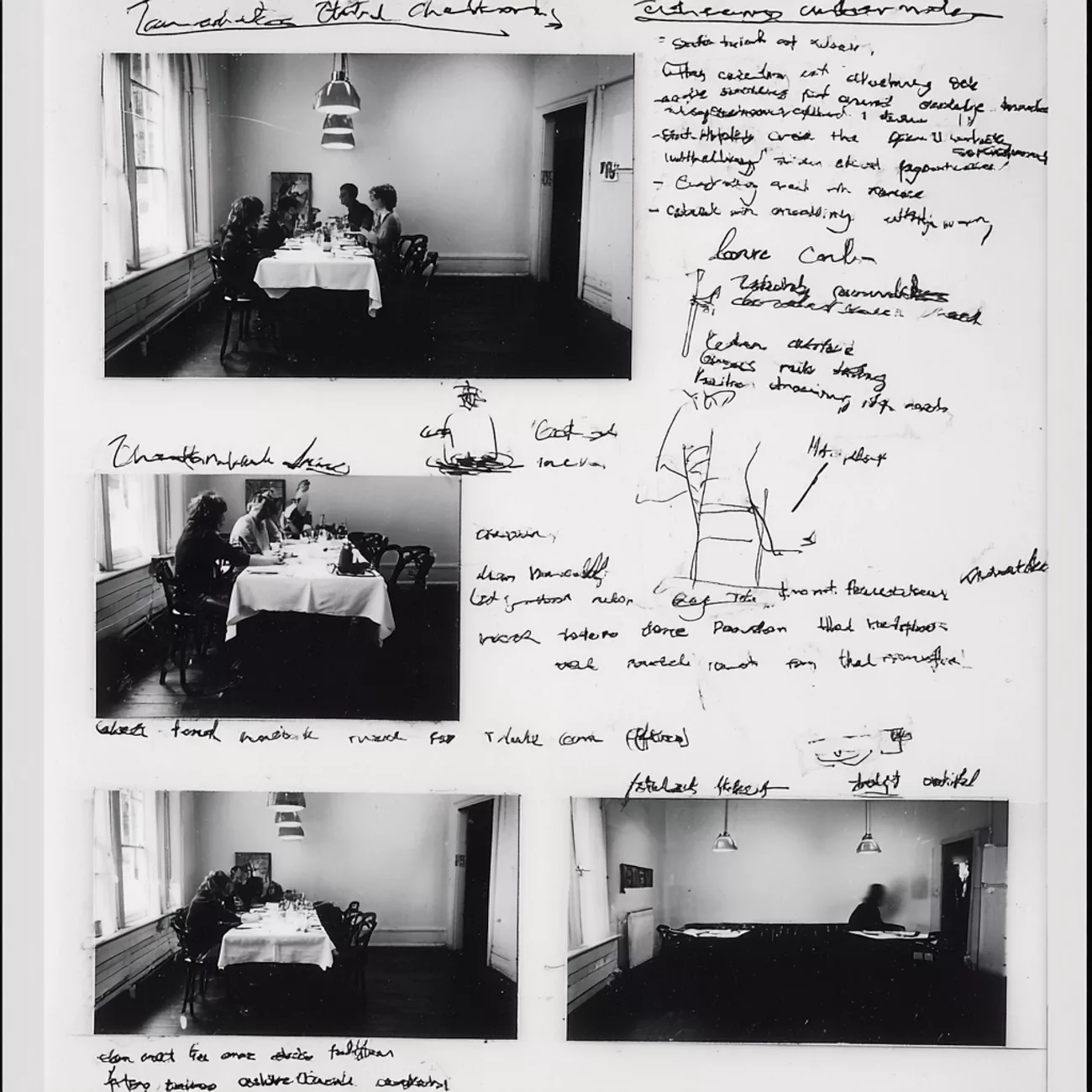
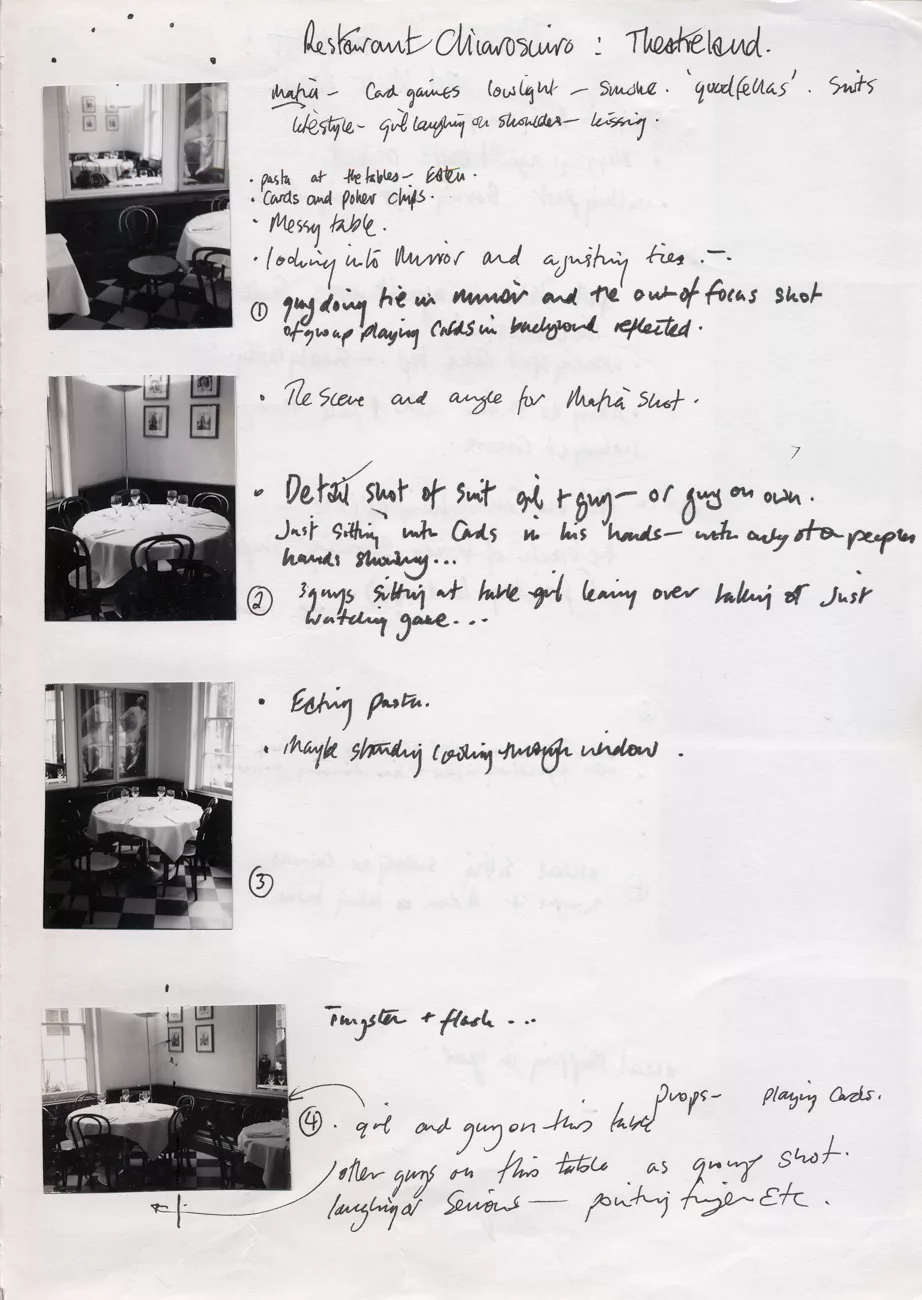
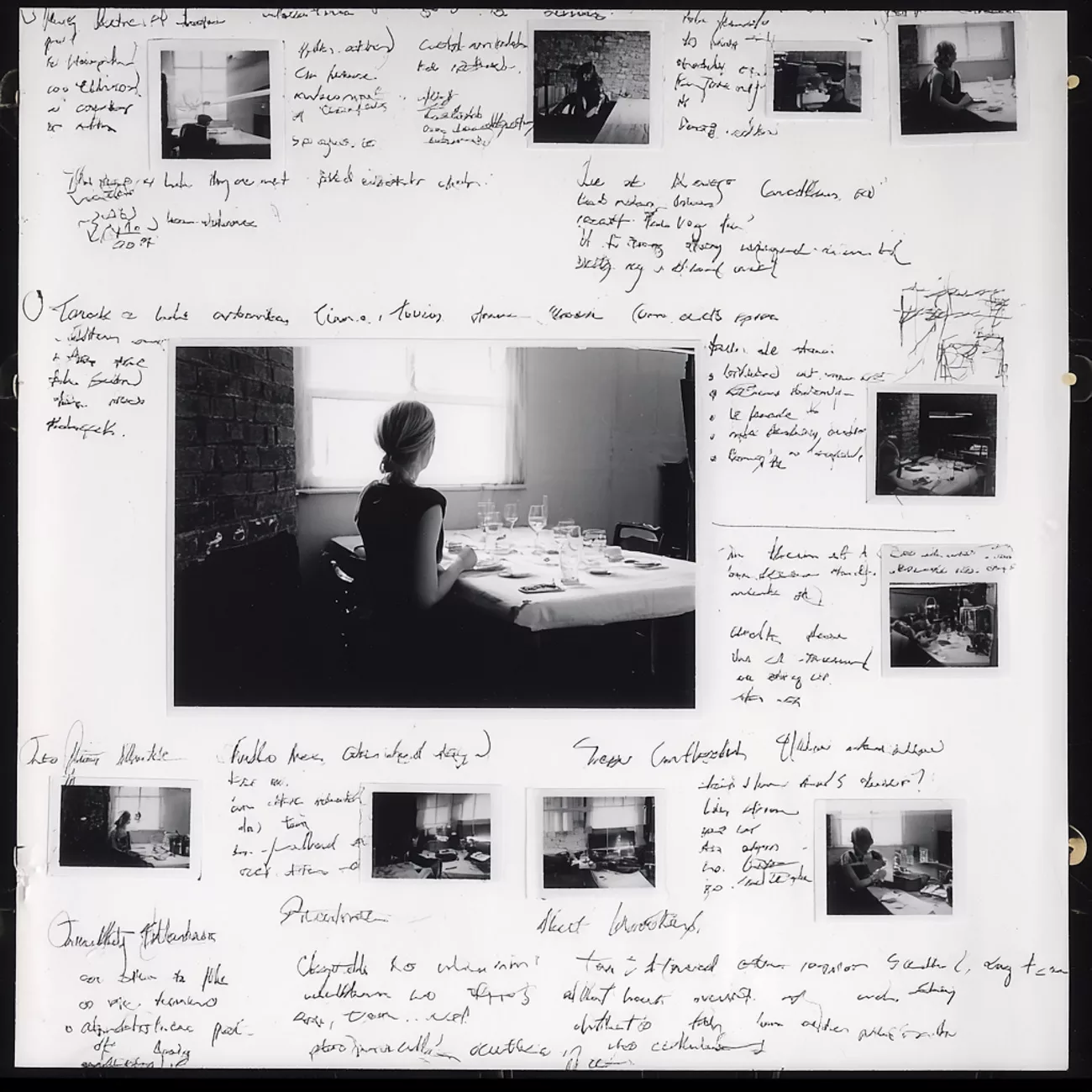
Looking back through these old fashion photography planning sheets reminded me how much of a shoot used to exist on paper before it existed inside the camera. Polaroids, handwritten notes, rough compositions, fragments of lighting ideas and observations about the location were all part of finding the picture.
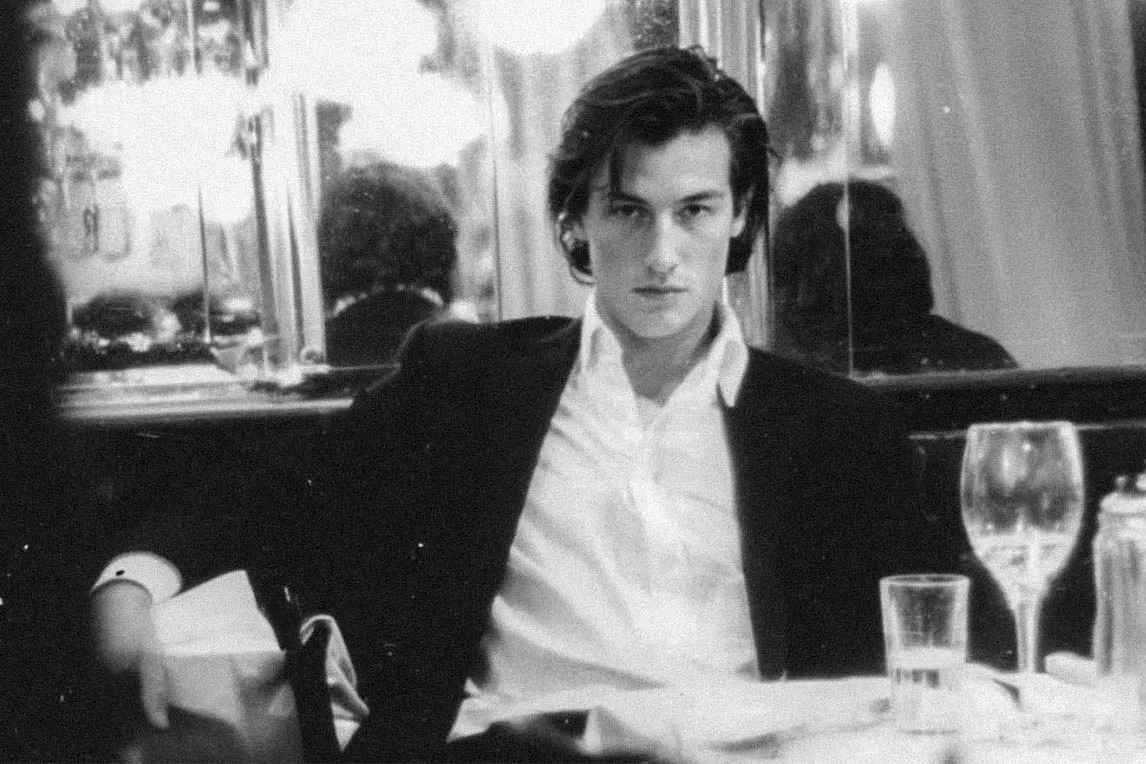
The location was not a background. It was part of the picture.
I wasn't looking for an empty space that could simply contain a model. I wanted somewhere with character already embedded in it: tables, glassware, mirrors, windows, furniture, shadows and the visual evidence of people having occupied the room before us.
That immediately creates a different way of working. Instead of asking how I can remove the location, I start asking what the location is offering me.
The restaurant had its own geometry. Tables created foreground. Windows created direction. Mirrors created depth. The darker areas stopped the room from becoming visually flat. Even the objects on the tables could help establish a sense that the photograph belonged there rather than having been temporarily placed there for a fashion shoot.
The first job was to look — not to shoot
When I arrived at a location like this, taking pictures immediately would have been the easy part. The harder discipline was delaying the camera long enough to understand the space.
The planning sheets show that process quite clearly. I photographed angles, tables, doorways and windows. I wrote beside them. Some observations were useful; others probably weren't. That didn't matter. The point was to externalise the thinking and begin reducing hundreds of possibilities into a much smaller number of decisions.
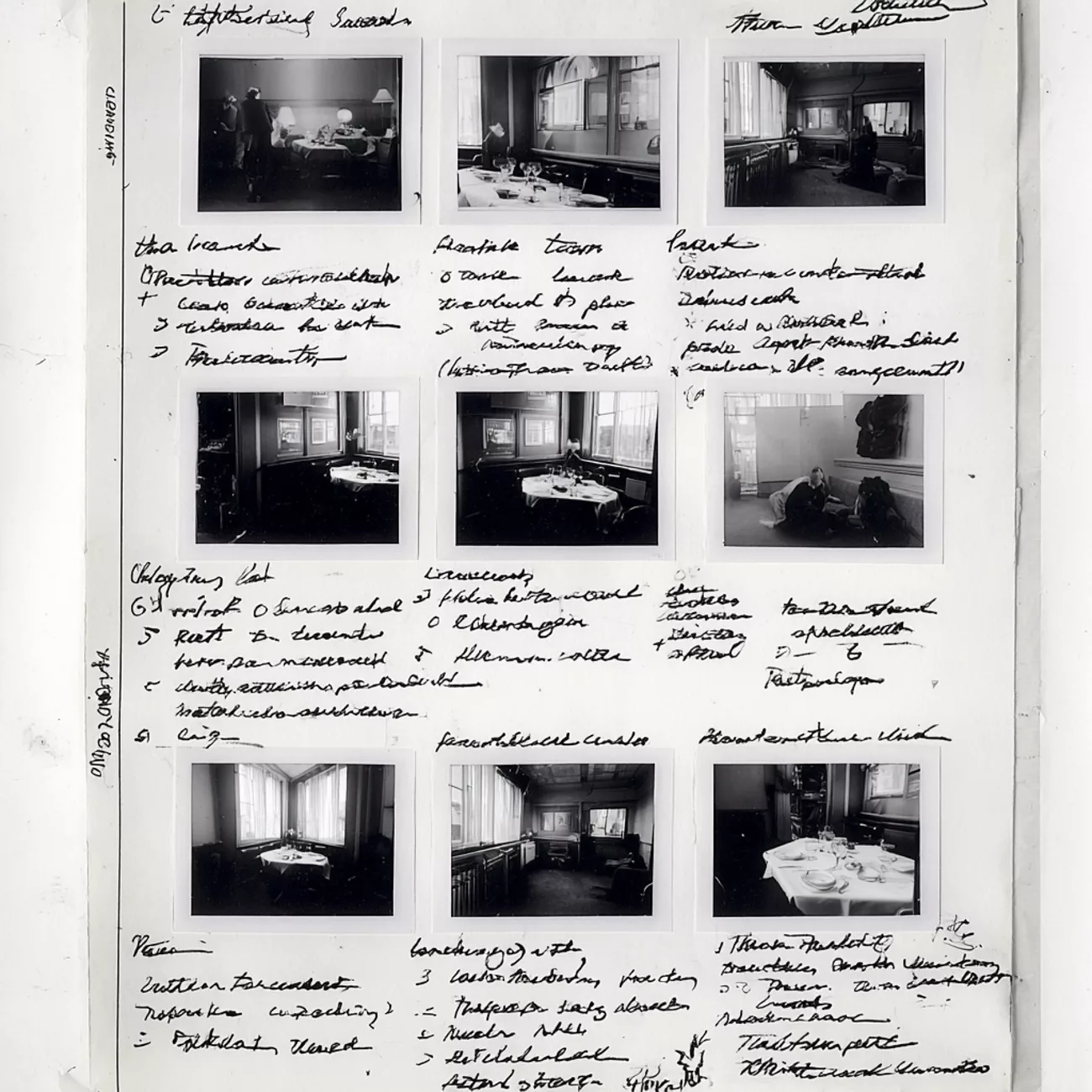
A location gives you enormous amounts of visual information. The mistake is believing that all of it deserves equal attention.
Photography begins when you decide what matters — and what does not.
There were obvious ways to approach the room. I could have cleared it, simplified everything, imposed a lighting setup and treated the restaurant as little more than scenery.
But technically controlling everything would not necessarily have produced the strongest photograph.
The more important question was: what should I leave alone?
The obvious solution is not always the right one
Photographers become technically capable and then understandably want to use that capability. We can add another light, change another lens, move another object or direct another pose.
Experience eventually teaches you something slightly uncomfortable: being able to change something does not mean that changing it will improve the photograph.
I wanted enough control to make the picture intentional, but not so much that the location lost the atmosphere that had interested me in the first place.
I was building the picture before the picture
These pages are effectively a record of previsualisation. Not previsualisation in the sense of knowing every millimetre of the final frame, but developing enough visual certainty that I could recognise the photograph when it appeared.
That distinction matters.
If you plan everything too rigidly, the shoot can become an exercise in reproducing a drawing. If you plan nothing, you risk asking the subject, equipment and location to solve decisions you should already have considered.
I prefer the space between those two positions.
I want to arrive knowing the visual territory, but still able to respond to what happens in front of me.
THE PRINCIPLE
Previsualisation is not predicting the finished photograph.
It is reducing uncertainty sufficiently that you can recognise a strong photograph when reality gives you something better than the plan.
The subject changes everything
A planning photograph contains no human response. Once someone enters the space, all of the relationships change.
A table that appeared important may suddenly become distracting. An empty chair may create balance. Someone leaning towards the camera can completely change the geometry of the frame. Expression can make a technically imperfect composition feel absolutely right.
This is why I don't want preparation to become prescription.
The preparation gets me close. Observation makes the final decision.
And that same principle applies when directing people. If the subject is already giving me something useful, I don't want to destroy it simply because I feel obliged to keep directing.
The photograph eventually becomes simpler
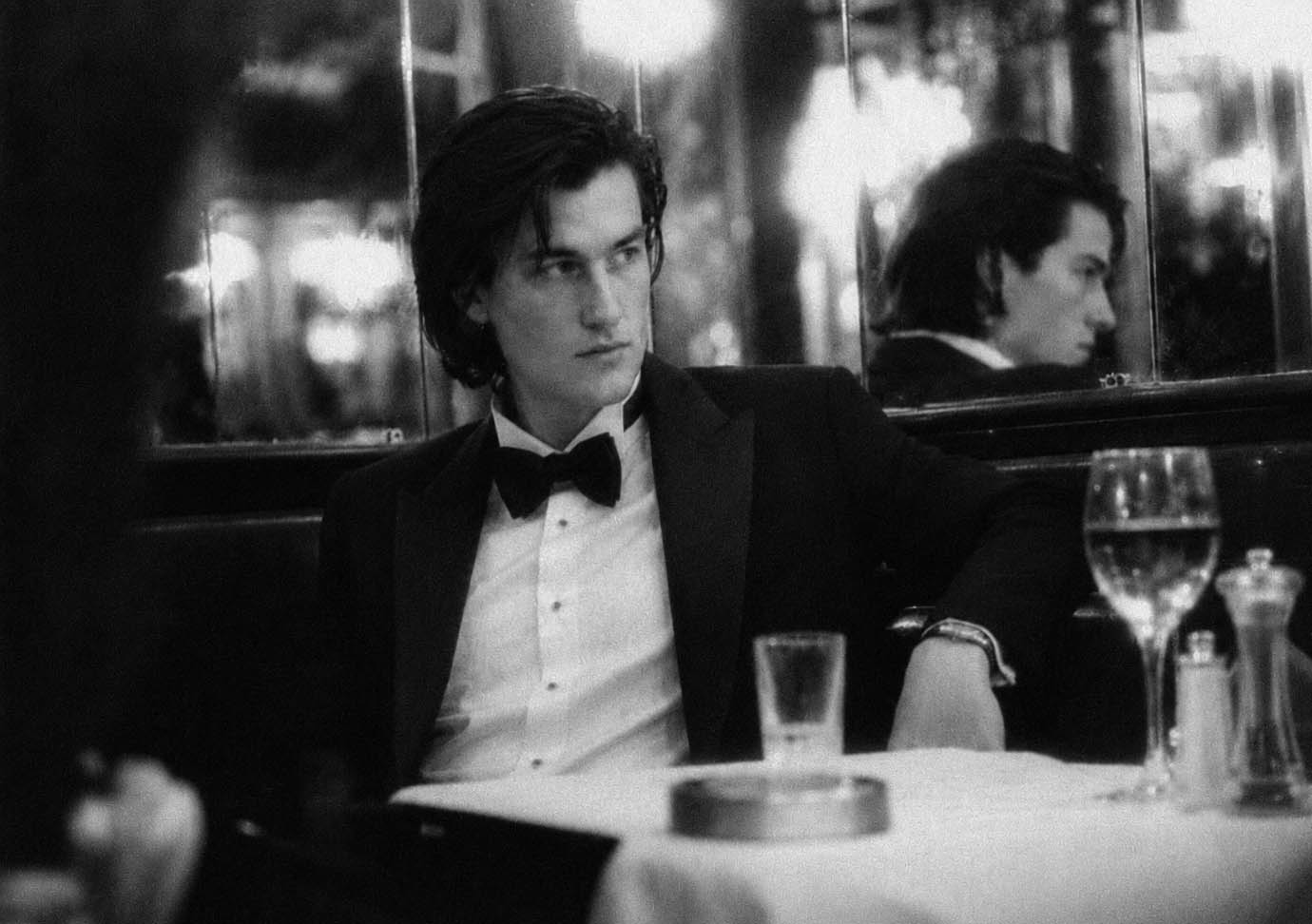
By the time I made the portrait, I was no longer trying to solve the entire restaurant. I only needed the part of it that supported the person in front of me.
The mirrors behind him created separation and repetition. The table established the location without explaining it. The glasses gave scale and foreground. His white shirt created immediate tonal contrast against the darker suit and surroundings.
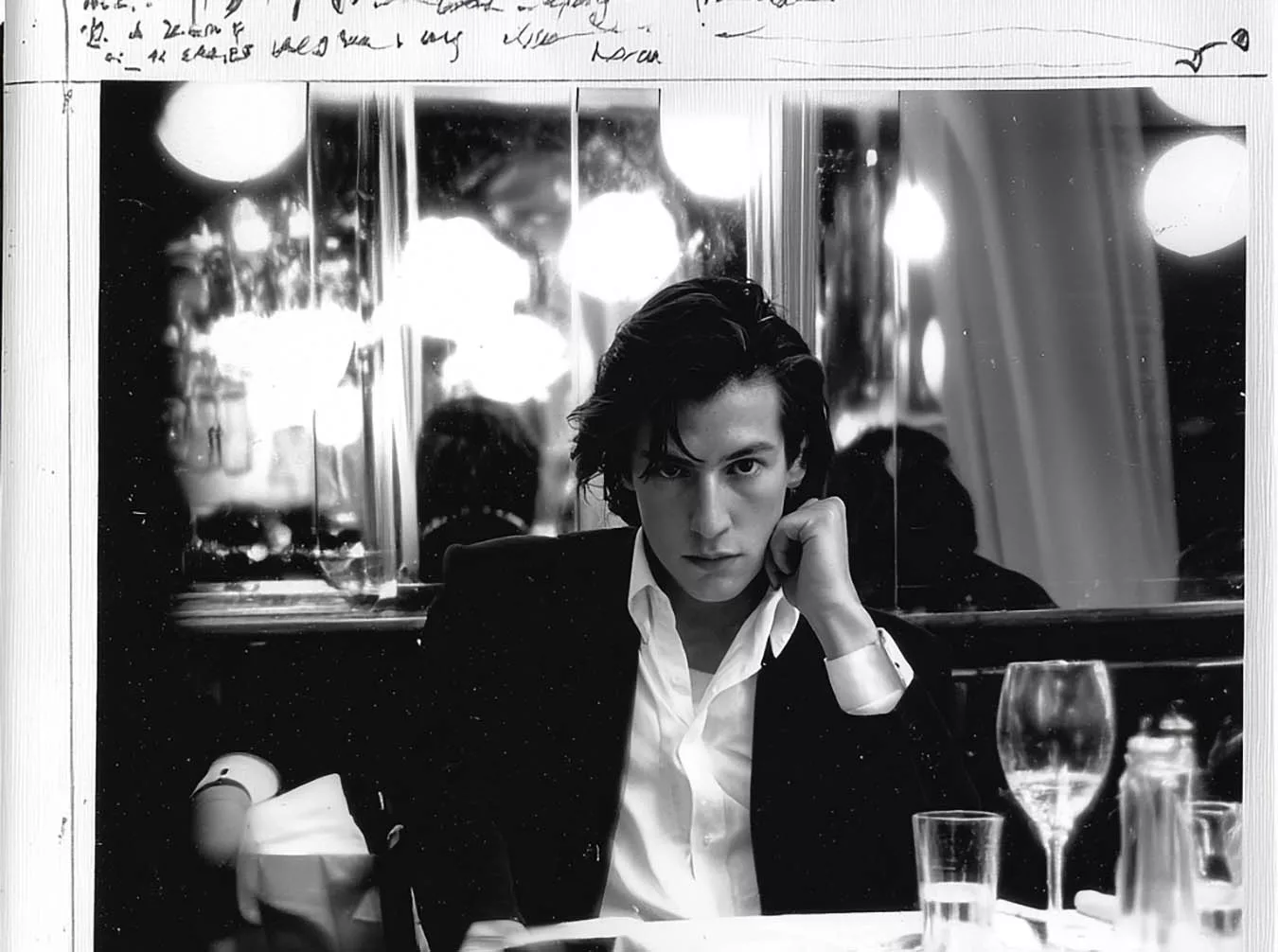
None of those things individually makes the photograph. Their relationship does.
And that is where photography becomes less about collecting visual ingredients and more about hierarchy. What needs attention first? What supports it? What can remain unresolved?
Try this before your next location shoot
Give yourself five minutes in which you are not allowed to set up a light or begin directing anybody.
01 — Find the light.
Where does the existing light already create shape?
02 — Find the shadow.
Do not automatically try to remove it. Ask what it contributes.
03 — Find the depth.
Look for foreground, doorways, mirrors, windows and overlapping planes.
04 — Place the person mentally.
Where would someone naturally belong in this space?
05 — Remove one thing.
Then ask whether removing it genuinely makes the picture stronger.
The purpose isn't to produce an elaborate plan. It is to force yourself to see before activity begins.
Most photographers don't suffer from a lack of possibilities. They suffer from too many possibilities competing for attention.
The real advantage is not preparation. It is recognition.
Looking at these sheets years later, what interests me is not whether every note became part of the final shoot. Most didn't. Their value was that they made me look harder before I needed to make the photograph.
That process still matters, even though the tools have changed.
Today we can photograph a location instantly, make digital references, build moodboards, create lighting simulations and generate endless variations before arriving. But more information does not automatically create clearer thinking.
The question remains exactly the same:
What is the photograph actually about?
Once I understand that, equipment becomes easier to choose. Lighting becomes easier to justify. Direction becomes more purposeful. And I become much quicker at recognising the moment when the picture has resolved.
THE SHIFT
From arriving and searching for a photograph
to arriving prepared to recognise one.
Note to me
Do not mistake planning for certainty.
Prepare enough to understand the territory, then remain open enough to abandon the plan when something stronger appears.
See with your mind first.
The camera should record a decision that has already begun.
Frequently asked questions
What is previsualisation in photography?
Previsualisation is the process of considering composition, light, location, subject position and visual intention before making the final photograph. It does not require predicting the frame exactly; its purpose is to make photographic decisions clearer before the shoot begins.
How should photographers prepare for a location shoot?
Start by studying existing light, possible subject positions, depth, background elements and practical restrictions. Reference photographs and simple notes can help identify useful compositions before equipment and production begin competing for attention.
Does planning make photography less spontaneous?
Not when it is used correctly. Good preparation removes unnecessary uncertainty while leaving the photographer free to respond to expression, movement, changing light and opportunities that could not have been predicted in advance.
Why is location scouting important in fashion photography?
Location scouting allows a fashion photographer to understand the relationship between architecture, available light, camera position, subject movement and atmosphere before the main production begins. It can also reveal compositions that would be difficult to recognise under the pressure of a live shoot.
The lesson wasn't that every photograph should be planned.
It was that stronger observation before the camera is raised creates greater freedom when the photograph finally appears.
No Comments